
Start from the symptom
These guides are written for when something is not quite right and you do not yet know what it is called.
All guides
-
“I have tanks on site and I am not sure what the rules require.”
Does my site need secondary containment?
Most operators find out they needed containment during an inspection. Here is how to work it out beforehand.
6 min Containment Systems -
“We are pulling tubing anyway — is it worth scanning it?”
What EMI tubing inspection finds
A joint that fails downhole costs far more than the scan that would have caught it. The economics are rarely close.
5 min EMI Tubing Inspection -
“We have iron and hoses running everywhere and no restraints on them.”
Why an unrestrained line whips, and what to do about it
A hose that parts under pressure does not fall to the ground. It becomes the most dangerous object on location.
5 min Restraint Systems -
“We had a small leak and it turned into a much bigger problem.”
The first hour of a spill decides the cost
Everything expensive about a release happens after the product reaches soil. The window to prevent that is short.
5 min Fast Mats -
“We cleaned the radiator and it still runs hot.”
When pressure washing damages what it is cleaning
Pressure removes contamination with force. On some assets the force costs more than the contamination did.
4 min Radiator Rinse with Steam
Articles
Longer reads on the rules, the numbers and the field practice behind each service.
-
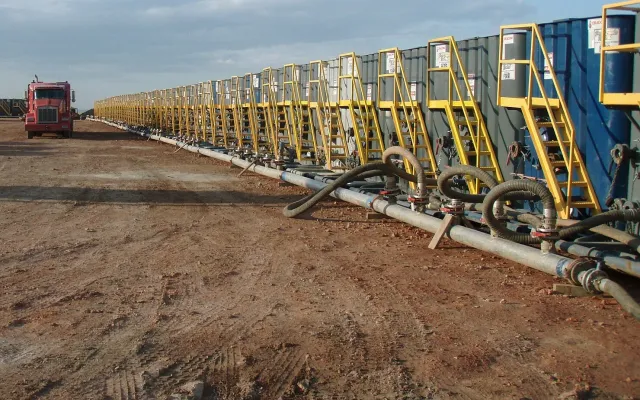 Containment 6 min read
Spill Containment Berms: Sizing, Wall Types and Field Use
Foam wall, L-bracket, collapsible or rigid wall: how to choose a portable berm, size it for the largest tank plus West Texas rain, and keep it working on location.
-
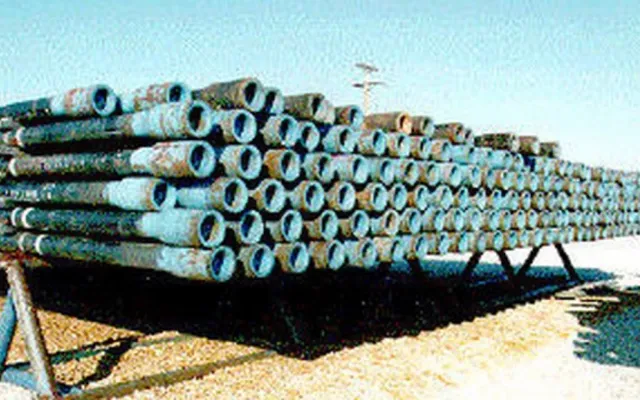 Inspection 5 min read
Magnetic Flux Leakage Inspection of Production Tubing, Explained
Magnetic flux leakage pushes a strong magnetic field through the tubing wall and listens for where it leaks out. Here's how that works on a string coming out of a well, what a trace can and can't tell you, and how it stacks up against other checks.
-
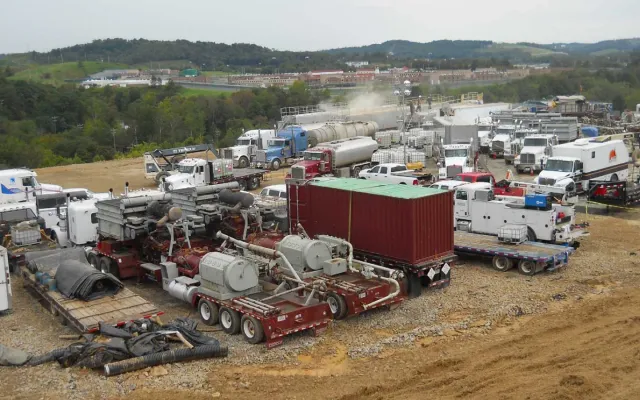 Restraint 6 min read
Line of Fire Hazards Around Pressurized Lines and Iron: Red Zones, Stored Energy and Restraint
Most line-of-fire training talks about swinging loads and pinch points. On a frac or workover location, the line of fire also runs along every pressurized hose and joint of iron. Here's how to set up the red zone and control the energy.
Still not sure which one applies?
Describe what you are seeing and we will tell you whether it is something we handle.
- Phone
- (940) 612-2286
- info@sitesafeteam.com