
EMI Tubing Inspection: Electromagnetic Induction for Oilfield Tubing Integrity
- Key point
- ACE-Making technology
- Applies to
- Wellhead and lease tubing, small diameters upward
Have this ready when you call
- Tubing size and the number of joints to be scanned
- When the tubing will be on surface — during a workover or pull is ideal
- Any history of tubing failures in the well or the field
- Whether rods have been run, which points to rod-wear risk
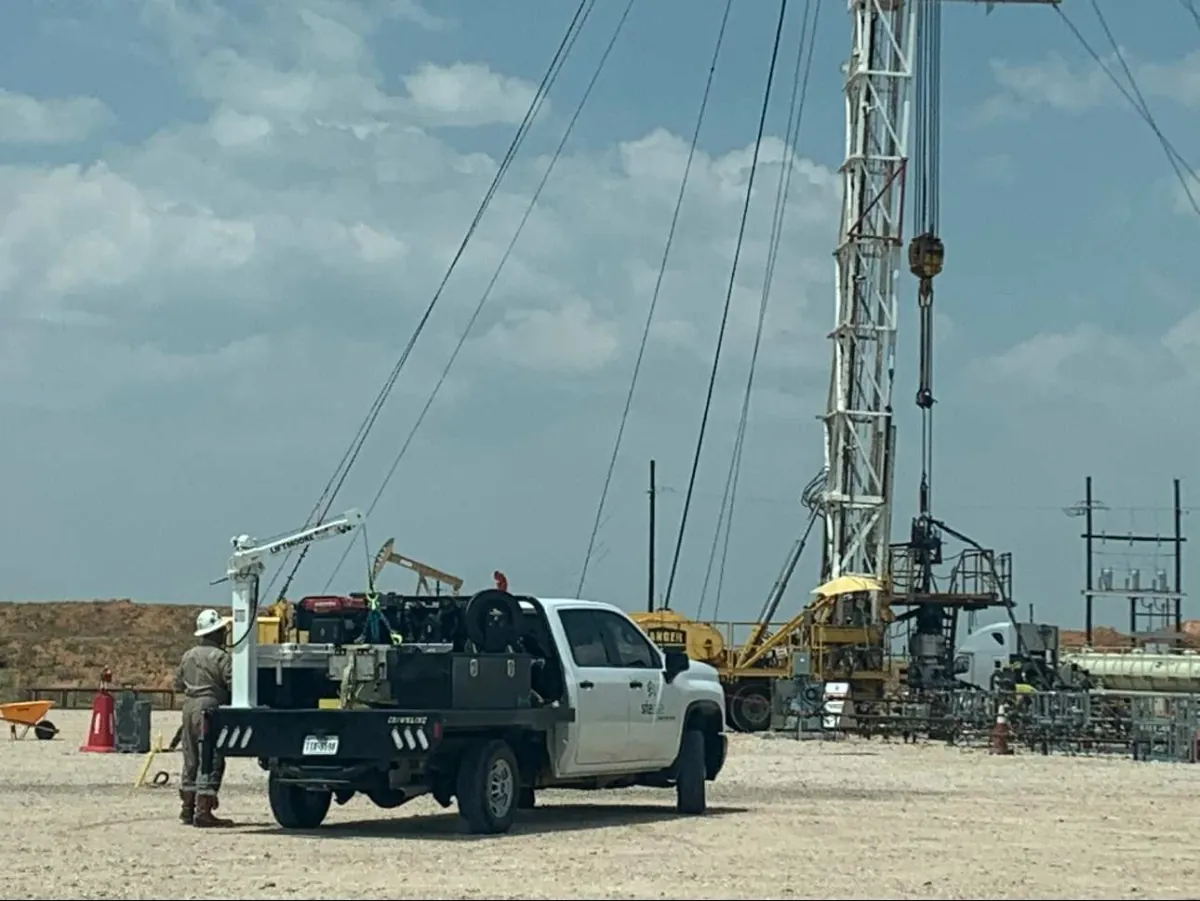
At Site Safe Solutions we bring cutting-edge EMI (electromagnetic induction) tubing inspection services to the oil-field, backed by our status as the only provider in the Permian Basin with ACE-Making technology and experienced operators. EMI inspection allows you to detect wall-loss, rod-wear, corrosion and other defects in tubing — even in flowing or sand-laden environments — using non-contact magnetic principles.
Our technicians scan tubing down to small diameters, generate digital trace records and provide actionable data to keep your upstream operation safe, efficient and compliant. Whether you’re at the wellhead or on the lease, our EMI service gives you real-time integrity insight.
How it works
- Non-contact EMI scanning for wall loss, rod wear, corrosion and other defects
- Inspection that works in flowing or sand-laden environments
- Tubing scanned down to small diameters
- Digital trace records and actionable integrity data
- Service at the wellhead or on the lease
- The only ACE-Making technology in the Permian Basin, run by experienced operators
Common questions
General information, not a compliance determination for your site.
Electromagnetic induction reads the condition of the tubing wall without touching it. It finds general wall loss from corrosion, including loss on the inside surface that visual inspection cannot see; rod wear where the rod string has been rubbing; localized pitting; and defects present before the joint ever went in the hole.
While it is already out of the hole. Scanning tubing that is on surface during a planned job costs little compared with a downhole failure, which brings a workover rig, possibly a fishing job, and lost production while the well is down.
Tubing fails at its worst point, not its average. A string that averages comfortably within tolerance can still contain one joint with deep localized wear, and that joint sets the life of the whole string. Scanning identifies those joints so they can be pulled and the rest put back to work.
Digital trace records and actionable data on the condition of each joint. Because the record is digital, repeat inspections of the same string show how fast it is degrading — which is what turns maintenance from reactive to scheduled.
EMI (electromagnetic inspection) is the oilfield’s umbrella term for scanning tubulars with magnetic and electromagnetic methods. Magnetic flux leakage (MFL) is one of the principles those scanners use. What matters on the job is the output: a trace for each joint that shows wall loss and localized defects.
Yes. EMI scanning is done at the wellhead or on the lease, so the string does not have to be hauled to a yard to find out which joints can go back in the hole.
Guides
All inspection articles- Workover Rig Basics: Jobs, Hazards and Site Controls
- Eddy Current Testing: Why Carbon Steel Tubing Is Different
- Magnetic Flux Leakage Tubing Inspection, Explained
- Rod Pump Tubing Wear: Causes and Fixes in Oil Wells
- CO2 Corrosion in Permian Tubing: Sweet, Sour and EOR
- What Is OCTG? Tubing vs Casing and Field Inspection