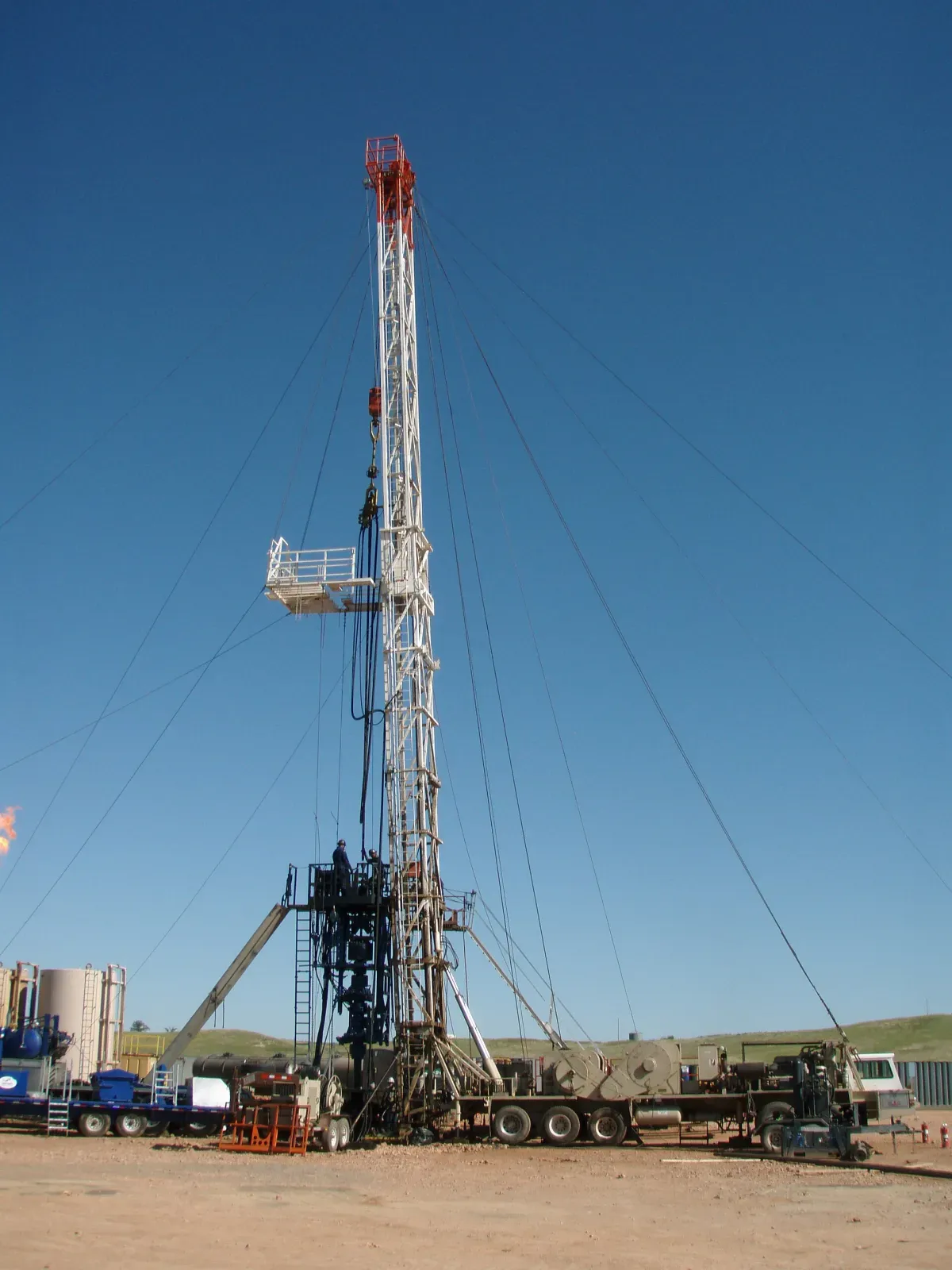
A workover rig is a mobile rig set up over an existing well to pull and rerun the equipment inside it. That means rods, the pump, tubing and packers. It also does the repair work that needs that equipment out of the way. It shows up when a producing well stops producing the way it should, and it usually leaves within days. Those few days are the only time the tubing string is on surface where you can look at it, and the wellhead is open the whole time. A well-planned workover fixes the well and leaves a record of the tubing’s condition. A rushed one can leave oil on the pad and a string nobody inspected.
What is a workover rig?
SLB’s Energy Glossary describes a workover as major maintenance or remedial treatment on an oil or gas well. In many cases it means pulling and replacing the production tubing after the well has been killed and a workover rig placed on location. The same entry points out that some work is done through the tubing with coiled tubing, snubbing or slickline, which avoids a full workover.
Regulators define it more broadly. The IADC Lexicon quotes New Mexico’s oil and gas rules, which count re-entering a well to deepen or sidetrack it as a workover. So is recompleting or reperforating a zone, repairing or replacing damaged casing or downhole equipment, and fracturing or acidizing. Squeezing and cementing to cut off water count as well.
In the field the names overlap. “Pulling unit” and “well servicing rig” are often used for the lighter rigs that pull rods and tubing on routine jobs. “Workover rig” covers those plus the heavier units used for repairs and recompletions. For planning, the job matters more than the rig’s name.
Jobs a workover rig does, and what to plan for
| Job | What comes out of the hole | What to plan for on location |
|---|---|---|
| Rod or pump change | Rods and the downhole pump | Rods come out wet with oil and produced water. If the tubing comes out too, it’s worth inspecting |
| Tubing leak or tubing replacement | The whole tubing string | Grade every joint rather than just running new pipe. Find out why it leaked |
| Recompletion or reperforation | Tubing, packer, sometimes the old completion | Pump lines under pressure, and returns that have to go to a tank |
| Acid job or other stimulation | Usually nothing until afterward | High-pressure pump lines from the truck to the wellhead, and spent acid coming back |
| Casing repair or squeeze | Tubing and packer | Cement and fluid returns, and pressure testing |
| Plug and abandonment | Everything that can be pulled | Cement work and a lot of iron coming off the location |
Fluid comes out of the well with everything that’s pulled, and many of these jobs put pressure on temporary lines. The location has to be set up for both.
What the SPCC rule asks of a workover location
EPA’s SPCC rule has a section written for this work. Under 40 CFR 112.10, the operator of an onshore drilling or workover facility must:
- meet the general requirements of 112.7;
- position or locate mobile drilling or workover equipment so as to prevent a discharge;
- provide catchment basins or diversion structures to intercept and contain discharges of fuel, crude oil or oily drilling fluids;
- install a blowout prevention (BOP) assembly and well control system before drilling below any casing string or during workover operations.
EPA’s inspector guidance notes that the catchment requirement in 112.10(c) has no specific sizing or freeboard rule. It works much like the general containment requirement in 112.7(c), where you design for the typical failure and the most likely quantity of oil. On a workover, the typical failures are drips from pulled rods and tubing, a hose that lets go during a transfer, and fluid that comes up while the well is open.
One more point about fuel. The SPCC definition of a “motive power container,” which covers a vehicle’s own fuel tank, says it does not include oil drilling or workover equipment, including rigs. So the rig’s fuel doesn’t get the exemption a pickup’s tank does.
In practice that turns into:
- Put a liner or mat under the wellhead and the pipe racks. That’s where pulled rods and tubing drip. Fluid caught there is a clean-up. Fluid that soaks into caliche is a dig-out.
- Put a mat under the hose connections wherever fluid moves between a tank, a pump truck and the well.
- Set the rig and tanks so that anything lost runs into containment, not toward the low side of the location.
Use the pull to grade the tubing
A workover that pulls tubing is the cheapest chance you’ll get to find out what condition the string is in. Usually the alternative is finding out from the next leak.
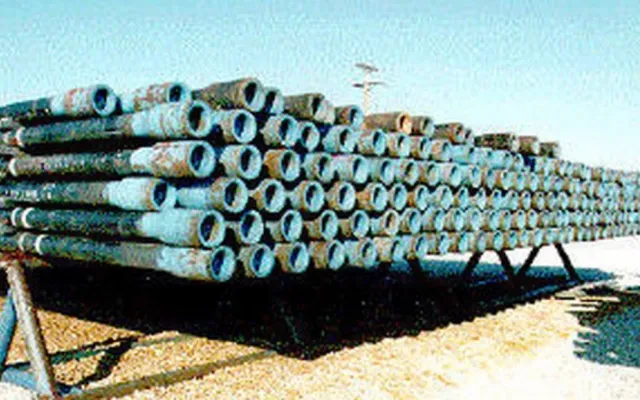
Tubing fails at its worst joint, so an average wall reading can look fine on a string that’s about to leak. On rod-pumped wells, rod-on-tubing wear isn’t spread evenly along the string, and our article on rod pump tubing wear covers the causes and fixes. Corrosion pits are just as local. A visual look at the box and pin ends won’t see either one.
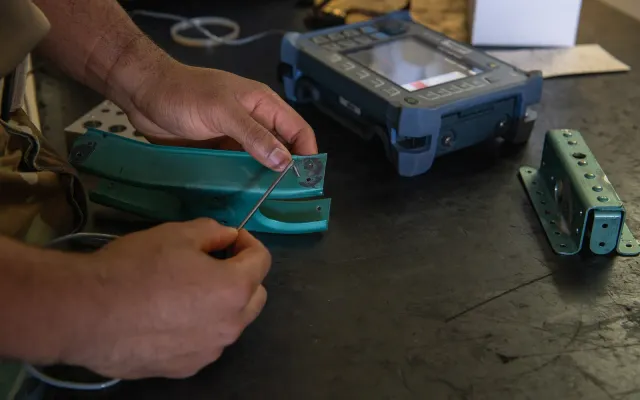
Electromagnetic inspection reads each joint’s wall as the tubing comes out of the hole or sits on the racks. It flags rod wear, corrosion and wall loss joint by joint, so badly worn joints can be laid down and the rest rerun. Used tubing is sorted into classes and marked with paint bands. The IADC Lexicon ties paint-band identification of tubing classification to API RP 5A5. A graded string gives the next crew something to work from.
A few habits make the inspection worth more:
- Book the scan with the rig. Scanning while the tubing is already on surface costs little compared with another trip.
- Note where each joint sat in the well. The location of the worst joints tells you more than how many there were.
- On wells that get worked over often, the record from the last pull shows whether rod guides, an anchor or a chemical change did any good.
Pressure on temporary lines
Acid jobs, pressure tests and kill operations run pump-truck lines to the wellhead at high pressure. Those lines are put together on location, and often taken apart and remade during the job. A connection that fails under pressure lets the line whip. Anyone standing near it is in the line of fire.
Keep people out of the zone during pressure work. Bleed lines down before breaking connections. Match union types and ratings. And put engineered restraints on hoses and iron, anchored so a failed section stays where it is. Put the restraints on as the lines are rigged up, before any pressure goes on.
Workover location checklist
- Rig and tanks positioned so spills run into containment
- Liner or mats under the wellhead and pipe racks
- Mats under every hose connection used for transfers
- BOP assembly installed before workover operations begin
- Rig fuel tank inside containment
- Pump lines restrained and anchored, and the zone marked off during pressure work
- Tubing inspection booked, with a plan for joint order and laydown
- Vac truck and spill kit contacts posted
- Mats, liners and any oily equipment cleaned on containment before moving off
Containment, restraints and EMI for workovers
Site Safe Solutions provides EMI tubing inspection for tubing pulled during a workover. The work is done at the wellhead or on the lease, with digital trace records for each scan. We also install high-pressure restraint systems for hose and iron lines, containment systems and drive-over Fast Mats for oilfield sites in the Permian Basin. If you have workovers scheduled, tell us the wells and the dates and we’ll line up the scan and the containment.