
Oilfield HSE articles
Longer reads for operators, company men and HSE managers: the rules, the numbers and what a crew actually does on location.
All articles
-
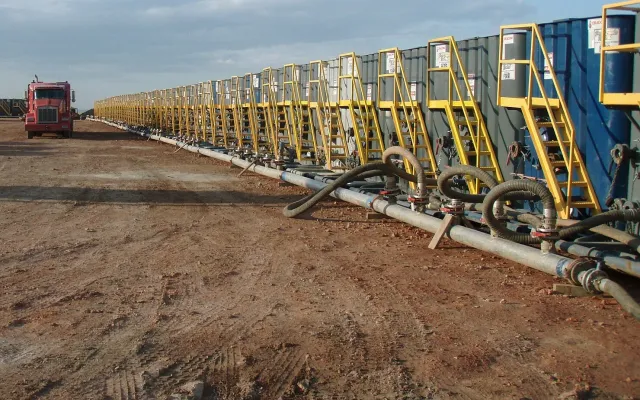 Containment 6 min read
Spill Containment Berms: Sizing, Wall Types and Field Use
Foam wall, L-bracket, collapsible or rigid wall: how to choose a portable berm, size it for the largest tank plus West Texas rain, and keep it working on location.
-
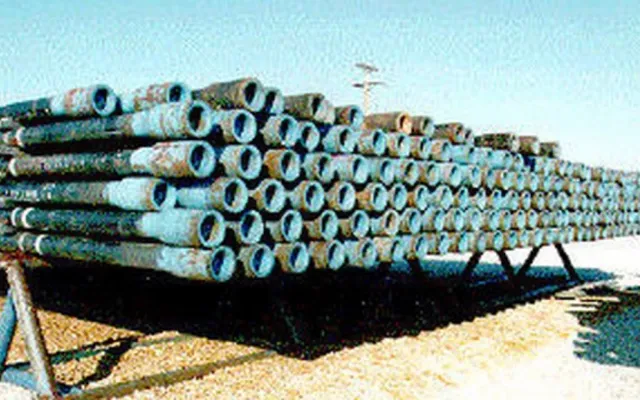 Inspection 5 min read
Magnetic Flux Leakage Inspection of Production Tubing, Explained
Magnetic flux leakage pushes a strong magnetic field through the tubing wall and listens for where it leaks out. Here's how that works on a string coming out of a well, what a trace can and can't tell you, and how it stacks up against other checks.
-
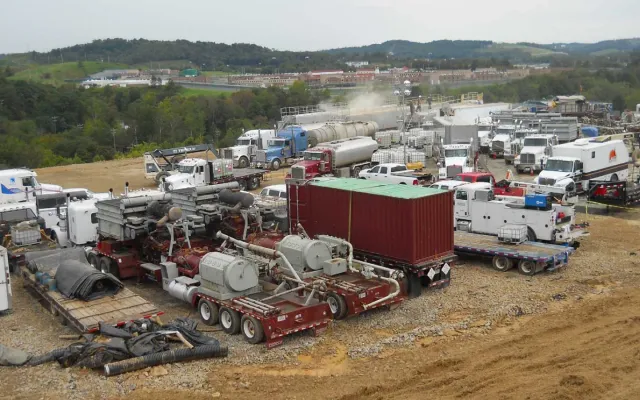 Restraint 6 min read
Line of Fire Hazards Around Pressurized Lines and Iron: Red Zones, Stored Energy and Restraint
Most line-of-fire training talks about swinging loads and pinch points. On a frac or workover location, the line of fire also runs along every pressurized hose and joint of iron. Here's how to set up the red zone and control the energy.
-
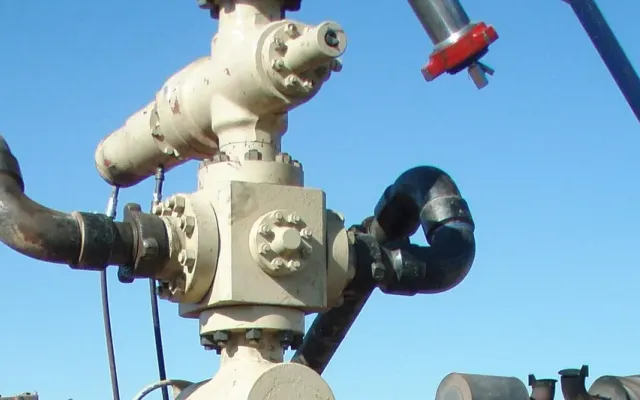 Restraint 6 min read
Hammer union mismatch: why a 1502 and a 602 look alike and then fail
A 2-inch Figure 1502 wing nut will thread onto a 602 or 1002 half, feel tight and hold for a while, then blow apart. Here is how to read figure numbers and stop mismatches before pressure-up.
-
 Inspection 5 min read
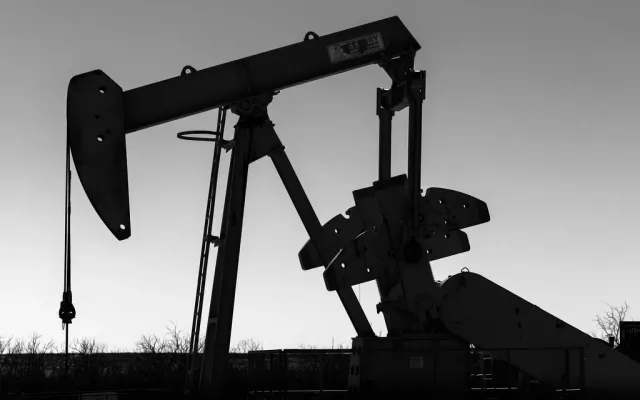
Rod Pump Wells and Tubing Wear: Causes, Fixes and Finding the Bad Joints
A rod pump wears its own tubing from the inside, and it rarely wears it evenly. Here's why, what anchors, rotators and rod guides do about it, and why the worst joint, not the average, decides when the string fails.
-
 Containment 6 min read
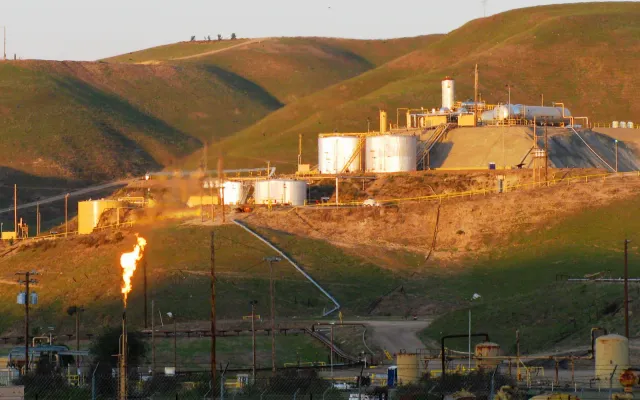
SPCC Inspections on Oil Production Sites: What EPA Checks and How to Prepare
'SPCC inspection' means two different things: the inspections your own people must do and record, and the day an EPA inspector shows up. This covers both for production leases, using EPA's own checklist.
-
 Containment 7 min read
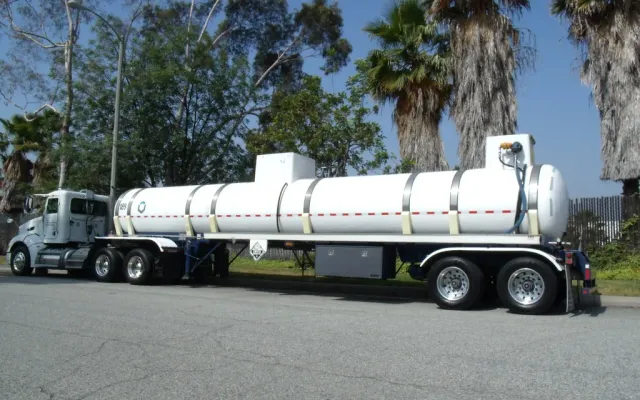
Drive-Over Containment Berms: How to Pick the Wall, Size It and Keep It Working
A drive-over berm only earns its place if trucks can cross it all day and it still holds fluid at the end of the job. Here's how the wall types differ, what the SPCC rule actually asks for, and how to size one for a vac truck.
-
 Restraint 7 min read
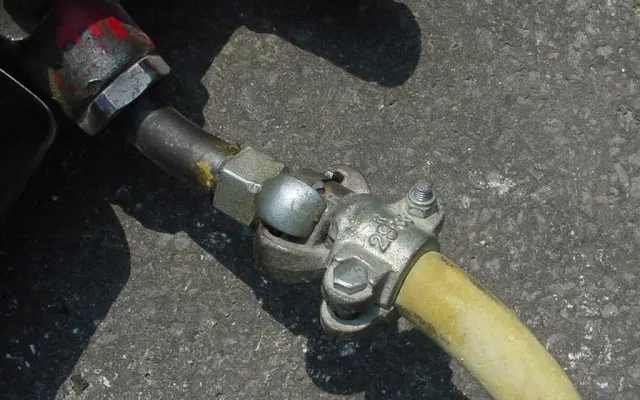
Whip checks: what they do, how to size them, and where they fall short
A whip check keeps a parted air hose from flailing. Here is what the federal rules actually say, how to size one, how to inspect it, and why it is the wrong tool for high-pressure fluid lines and frac iron.
-
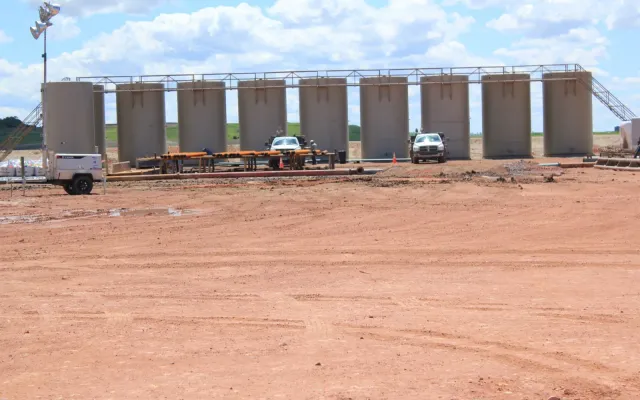 Containment 5 min read
How to Calculate Secondary Containment Volume (Worked Oilfield Examples)
Containment sizing is three numbers: the largest container, the space everything else in the berm takes up, and the rain. Here's the math worked through for a single tank, a four-tank battery and a check on an existing berm.
-
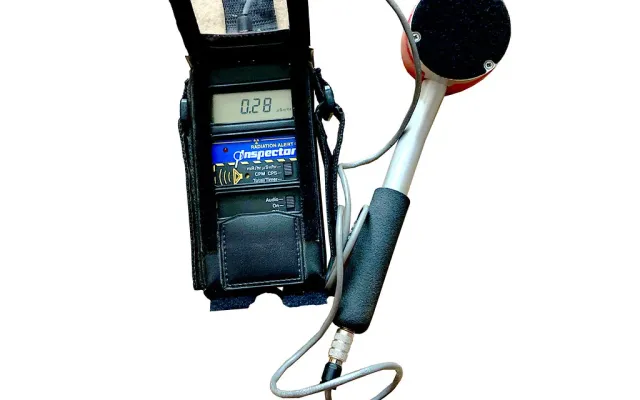 Cleaning 6 min read
NORM in Oilfield Equipment: Scale, Sludge and the Texas Rules
Radium-bearing scale and sludge can build up in tubing, tanks and vessels on producing leases. Here's where it shows up, how Texas splits the rules between DSHS and the Railroad Commission, and why equipment gets surveyed before anyone cleans it.
-
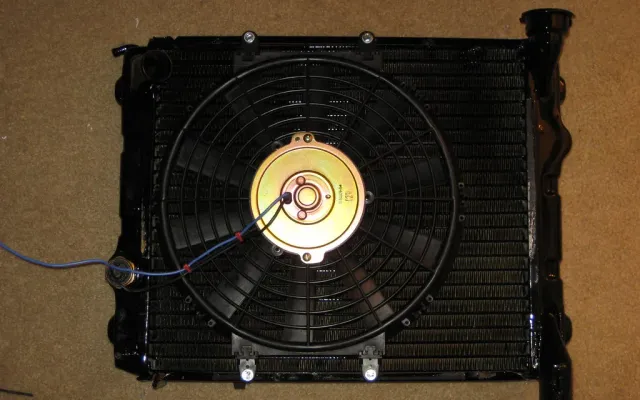 Cleaning 7 min read
How to Clean Radiator Fins on Trucks and Heavy Equipment
A method-by-method guide to cleaning radiator fins on field trucks, generators and heavy equipment, with the pressure limits an OEM manual sets and the fin-damage risk of each approach.
-
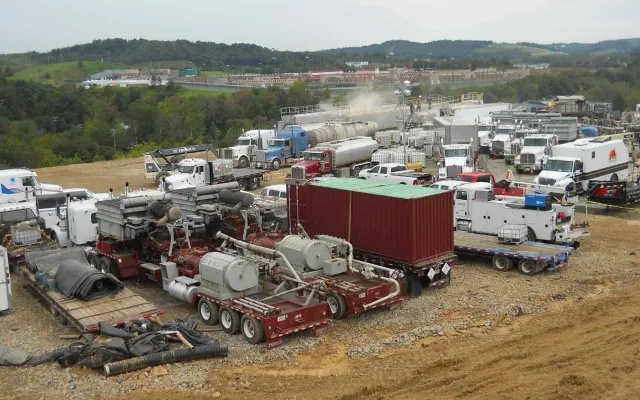 Restraint 5 min read
Frac Iron Safety: What API 16FI Means for Crews, Inspection and Restraint
API published its first frac iron standard in January 2026. Here's what it covers, the failures it's aimed at, how to manage iron from receiving to retirement, and where restraint fits when a connection still lets go.
Need this on your location?
Tell us what the job is and where, and we will tell you what we can supply or inspect.
- Phone
- (940) 612-2286
- info@sitesafeteam.com