
Oilfield HSE articles
Longer reads for operators, company men and HSE managers: the rules, the numbers and what a crew actually does on location.
All articles, page 3
-
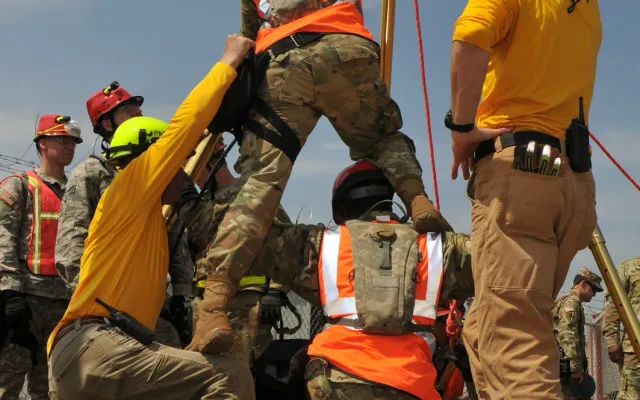 Cleaning 6 min read
Frac Tank Cleaning: The Process, the Confined Space Rules and Where the Waste Goes
Cleaning a frac tank comes down to what it held, whether anyone has to go inside, and where the wash water goes. Here are the OSHA confined space numbers, the Texas waste split for tank bottoms and rinsate, and the order of work.
-
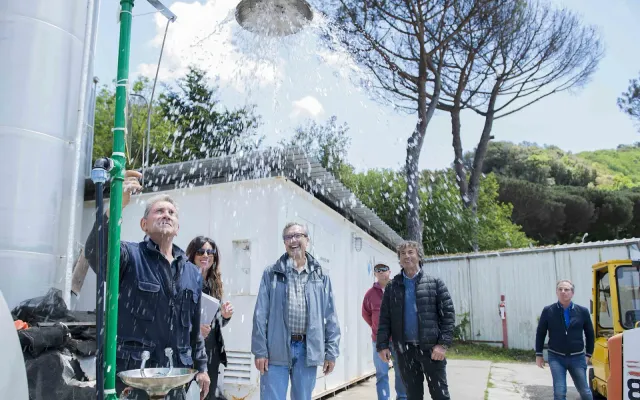 Compliance 7 min read
Eyewash Station Requirements: OSHA, ANSI Z358.1 and What Works on a Well Site
OSHA's eyewash rule is one sentence long. The flow rates, the 10-second walk and the tepid range come from ANSI Z358.1. Here's how they apply on a location with no water line, a hot sun and acid on the trailer.
-
 Compliance 8 min read
ANSI Z358.1 on Oilfield Locations: Emergency Shower Rules in Plain English
OSHA's rule on emergency showers is one sentence long, and ANSI Z358.1 fills in the numbers. Here's what both say, and what changes on a well site with no water line, a hot sun and work that moves.
-
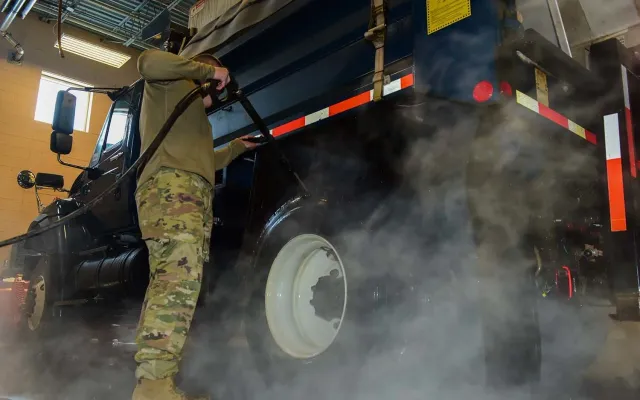 Cleaning 7 min read
Pressure Washer Safety: Injection Injuries, PPE and Controls for Oilfield Wash Jobs
Most pressure washer advice is written for homeowners cleaning a deck. On a wash pad in the Permian the machine is bigger, the water is often hot, and the hose runs through a crew. Here's what the injury data says and which OSHA rules apply.
-
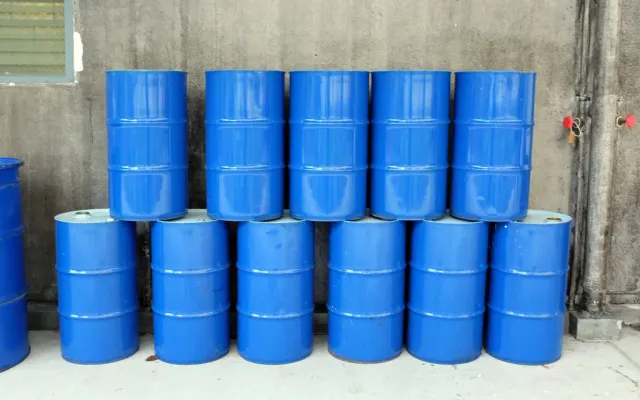 Containment 7 min read
55 Gallon Drum Containment: Which Rule Applies, How Big, and Where Drums Leak
A 55-gallon drum is the smallest container the SPCC rule counts. Here's which containment rule covers the drums on your pad, how to size a berm once the drums take up floor space, and where drum leaks actually start.
-
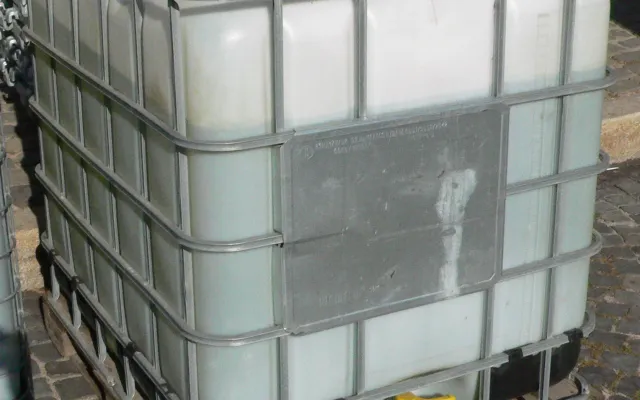 Containment 6 min read
IBC Tote Containment on Oilfield Locations: Rules, Sizing and Tote Checks
Totes of lube oil, hydraulic fluid and treating chemicals sit on almost every pad. Here's when SPCC covers them, how to size containment once the totes eat into the berm floor, and what to check on the tote itself.
-
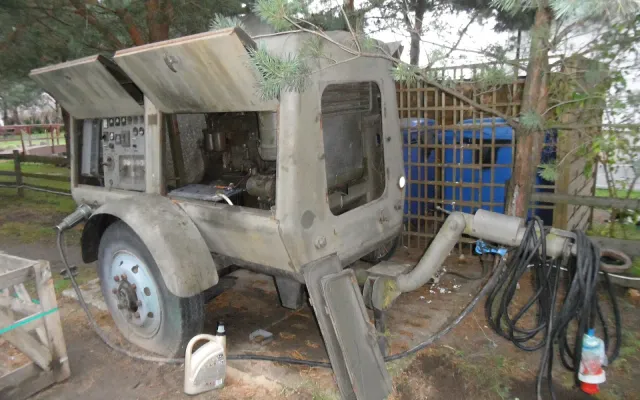 Containment 7 min read
Generator Spill Containment: What SPCC Requires on an Oilfield Location
A diesel gen set on location is two things under the SPCC rule: a fuel tank and a piece of oil-filled equipment. Here's how each is treated, how to size a berm around one, and where double-wall base tanks still fall short.
-
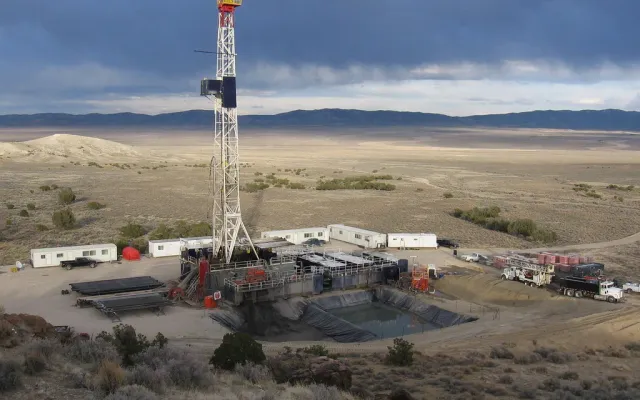 Containment 6 min read
What Is a Well Pad? Layout, Life Cycle and Where Spills Happen
A well pad holds a drilling rig, then a frac spread, then a tank battery, with workover rigs in between. Here's how pads are built, which SPCC section applies at each stage, and where the spills start.
-
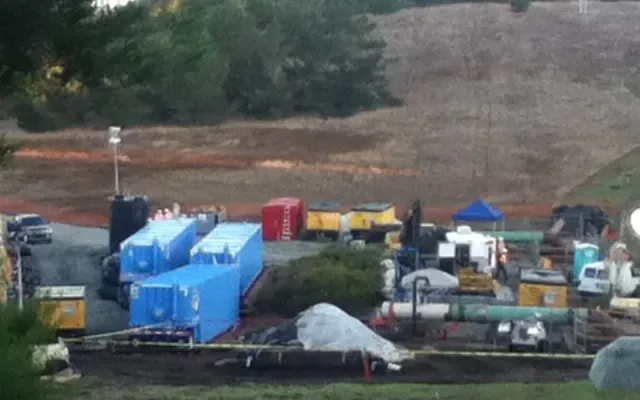 Restraint 7 min read
Hydrostatic Pressure Testing on Oilfield Lines: How It Works and How to Run It Safely
A hydrostatic test proves a line or vessel by holding it full of water above its operating pressure. Here are the test pressures and hold times, where tests actually fail, a safe setup checklist, and what Texas expects you to do with the water afterward.
-
 Inspection 6 min read
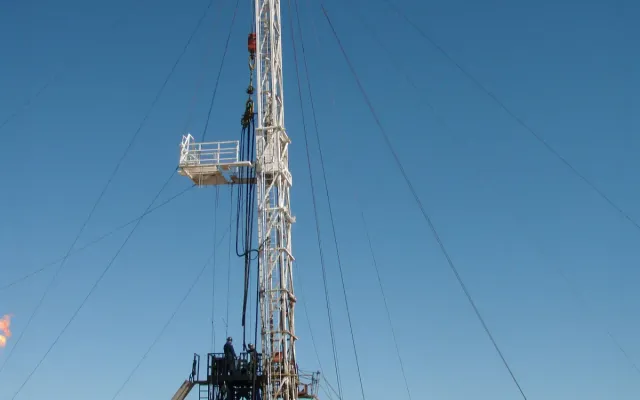
What a Workover Rig Does, and How to Run a Clean, Safe Workover
A workover rig comes in when a producing well needs its tubing, rods or pump pulled, or a zone repaired. Here's what the rig does, what the SPCC rule asks of the location, and how to get more out of the pull than a new pump.
-
 Restraint 7 min read
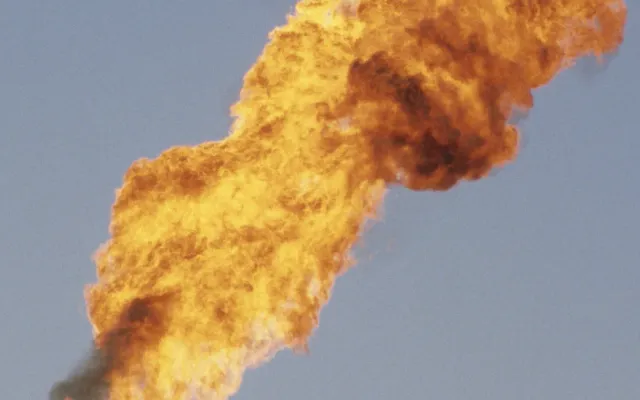
Flowback in Oil and Gas: What Happens on Location and Where It Goes Wrong
Flowback is when a fractured well is opened and the frac fluid, sand and first formation fluids come back to surface. It's also where most completion spills start. Here's what the spread does, what EPA's spill data shows, and what to set up before the well is opened.
- Containment 6 min read
Fuel Tank Spill Containment on an Oilfield Location: Rules and Sizing
A diesel tank on a lease can fall under EPA's SPCC rule once your total oil storage passes 1,320 gallons. Here is how to tell, which containment rule fits which tank, and how to size the walls.
Need this on your location?
Tell us what the job is and where, and we will tell you what we can supply or inspect.
- Phone
- (940) 612-2286