
Containment articles
Longer reads for operators, company men and HSE managers: the rules, the numbers and what a crew actually does on location.
Containment articles
-
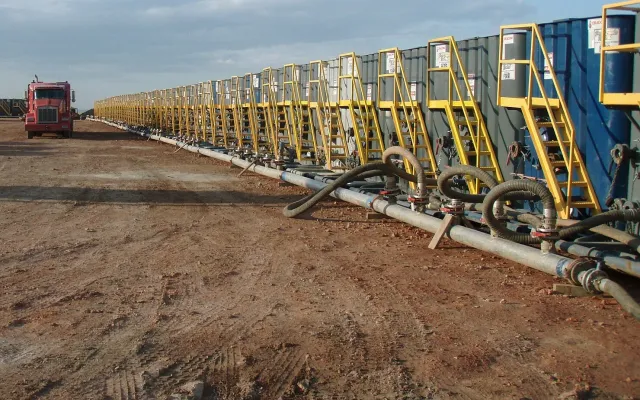 Containment 6 min read
Spill Containment Berms: Sizing, Wall Types and Field Use
Foam wall, L-bracket, collapsible or rigid wall: how to choose a portable berm, size it for the largest tank plus West Texas rain, and keep it working on location.
-
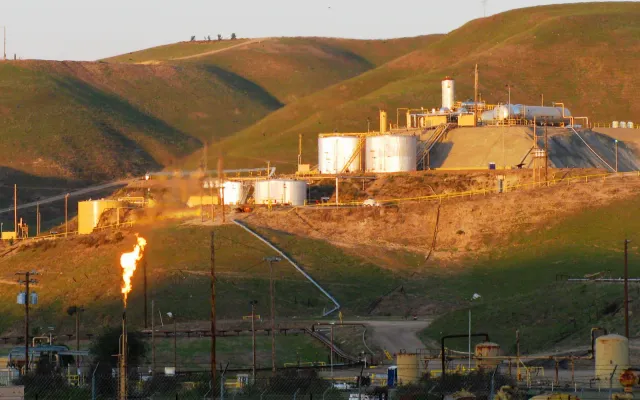 Containment 6 min read
SPCC Inspections on Oil Production Sites: What EPA Checks and How to Prepare
'SPCC inspection' means two different things: the inspections your own people must do and record, and the day an EPA inspector shows up. This covers both for production leases, using EPA's own checklist.
-
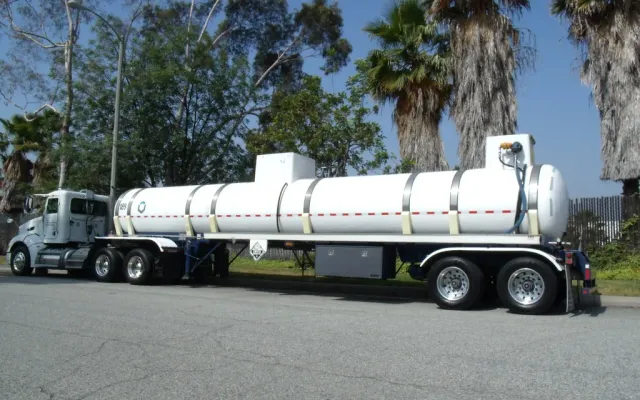 Containment 7 min read
Drive-Over Containment Berms: How to Pick the Wall, Size It and Keep It Working
A drive-over berm only earns its place if trucks can cross it all day and it still holds fluid at the end of the job. Here's how the wall types differ, what the SPCC rule actually asks for, and how to size one for a vac truck.
-
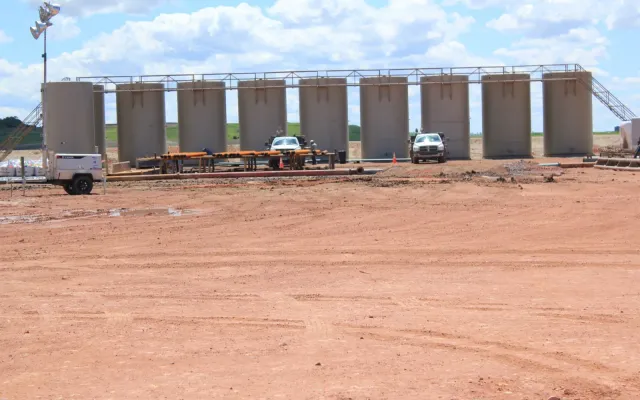 Containment 5 min read
How to Calculate Secondary Containment Volume (Worked Oilfield Examples)
Containment sizing is three numbers: the largest container, the space everything else in the berm takes up, and the rain. Here's the math worked through for a single tank, a four-tank battery and a check on an existing berm.
-
 Containment 6 min read
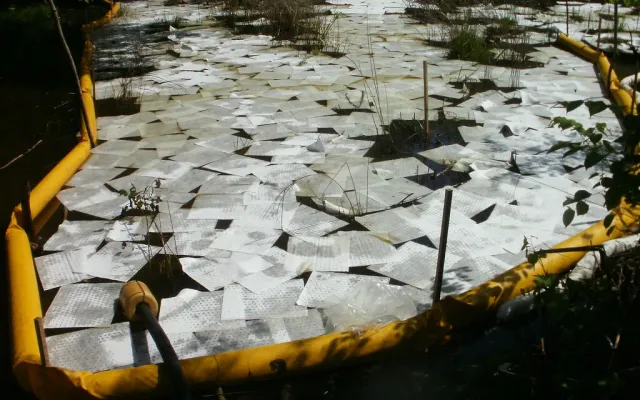
Spill Containment Mats: Sizing, Wall Height and Truck Traffic
A spill containment mat is the right tool for short jobs, service trucks and small transfers. Here is how to size one, what wall height buys you, and why a stack of absorbent pads is a different product.
-
 Containment 8 min read
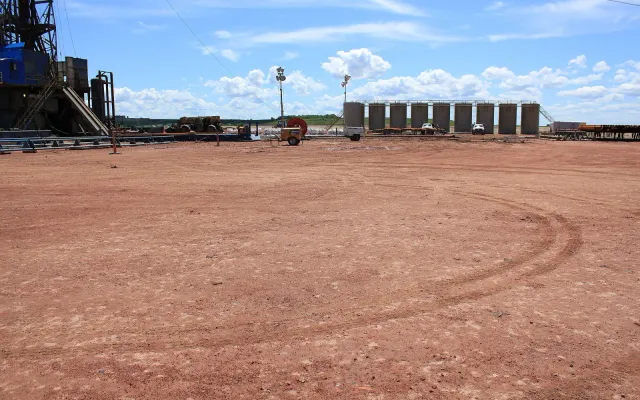
The Oilfield Tank Battery: Where It Leaks and How to Contain It
A tank battery is where a lease separates, treats, stores and sells its production, and it is where most of the lease's oil sits. Here is where batteries leak and how containment around them is laid out and sized.
-
 Containment 6 min read
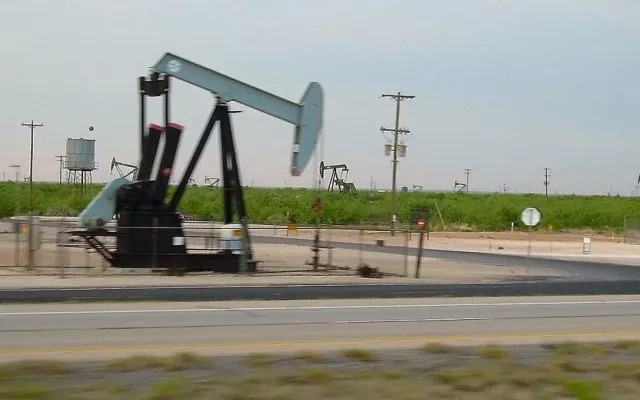
Produced Water Spills in the Permian: Why Brine Can Be Worse Than Oil
The Permian moves several barrels of produced water for every barrel of oil, and that water is many times saltier than the sea. A brine spill doesn't biodegrade the way crude does. Here's what that means for containment at transfer points.
-
 Containment 5 min read
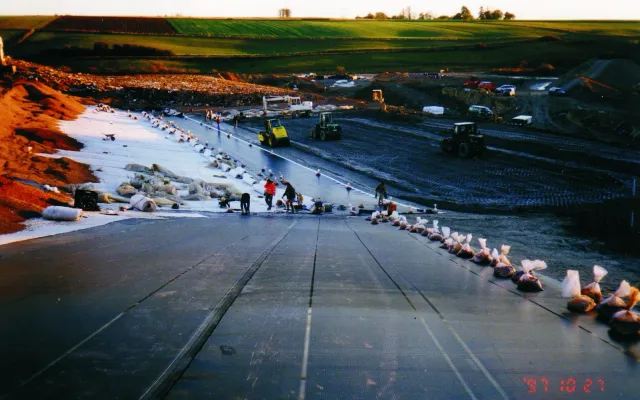
HDPE vs PVC Liners for Secondary Containment: Which to Specify
Most HDPE vs PVC articles are about pipe. This one compares the liners themselves for a tank battery or frac pad, adds LLDPE and flexible polypropylene, and ends with which to specify where.
-
 Containment 6 min read
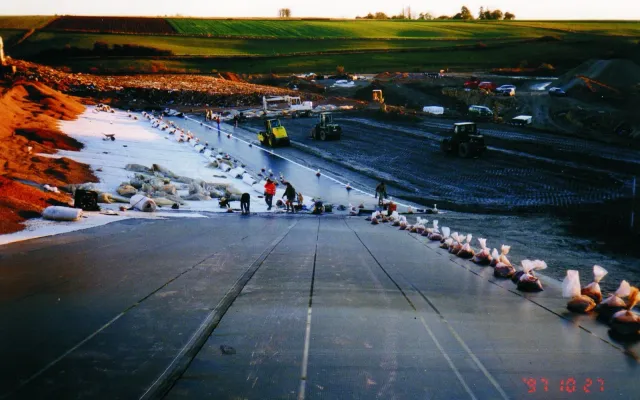
HDPE UV Resistance: How Containment Liners Hold Up in the West Texas Sun
Black HDPE liner is made to sit in the sun, but it doesn't last forever. Here's what the GRI-GM13 specification requires for UV resistance, what testing says about exposed life in hot, dry climates, and what to look for on a liner that's been out on a Permian pad.
- Containment 7 min read
Spill Containment Pads for Loading and Transfer Areas on Oil Leases
Most small releases on a lease happen where oil changes hands: the truck load-out, the LACT unit, the chemical tote. Here is what a containment pad there has to do, how big it needs to be, and how to keep rainwater from turning it into a problem.
-
 Containment 6 min read
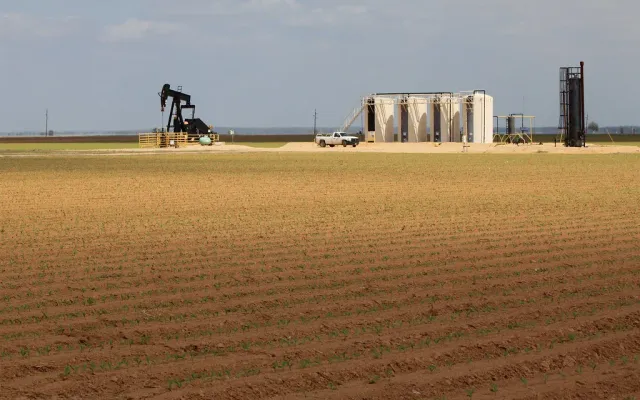
Secondary Spill Containment for Oilfield Sites: Types Compared
A side-by-side look at the five containment types you see on Permian leases, which ones can carry a sized SPCC requirement, and what to ask before you buy.
-
 Containment 6 min read
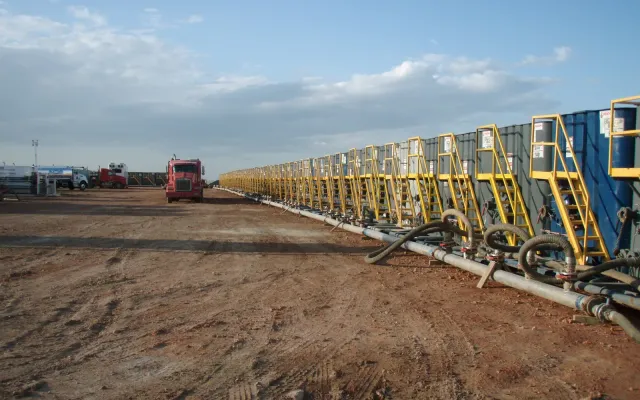
Frac Tank Secondary Containment: Berm Layout, Sizing Math and the Manifold Trap
A row of frac tanks can be contained with one shared berm or several smaller ones, and the right answer depends on what's in the tanks, whether they're manifolded, and how much rain the berm has to hold. Here's the math.
Need this on your location?
Tell us what the job is and where, and we will tell you what we can supply or inspect.
- Phone
- (940) 612-2286
- info@sitesafeteam.com