
Restraint articles
Longer reads for operators, company men and HSE managers: the rules, the numbers and what a crew actually does on location.
Restraint articles
-
 Restraint 8 min read
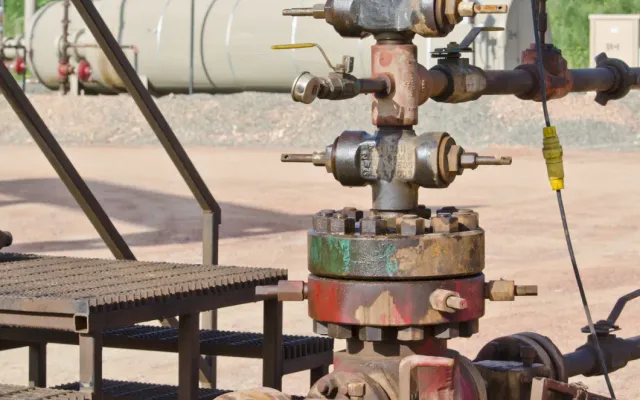
What a Frac Stack Is: Components, Pressure Ratings and Safety at the Wellhead
A frac stack is the temporary high-pressure tree that sits on the wellhead during a frac. Here's what each valve does, how it's rated, what Texas Rule 13 asks for during a frac, and how to keep the iron tied into it from whipping.
-
 Restraint 8 min read
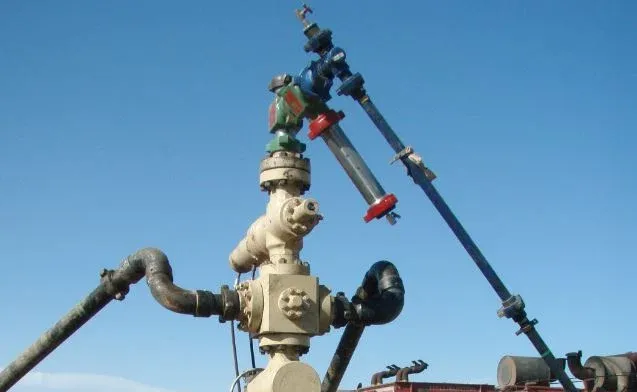
Plug Valves in the Oilfield: Types, 1502 Frac Iron Valves and How to Run Them Safely
A plug valve is a quarter-turn shutoff, but the name covers everything from 175 psi sewage valves to 15,000 psi frac iron. Here are the types, how the ratings differ, how plug, ball and gate valves compare, and the checks that keep a valve from hurting someone on a pumping job.
-
 Restraint 6 min read
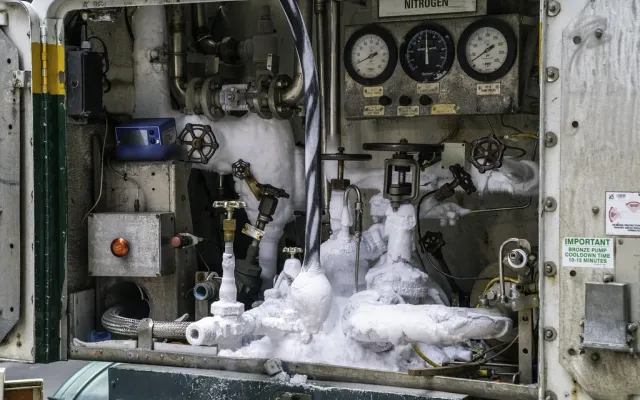
Nitrogen Pumping on Oilfield Locations: What It Is For and What Can Go Wrong
Nitrogen units unload wells, assist fracs and purge lines. They also bring oxygen-deficient vents, -320°F liquid and compressed gas lines to location. Here is what the CSB, OSHA and PHMSA say about each hazard, and a checklist for the job.
-
 Restraint 6 min read
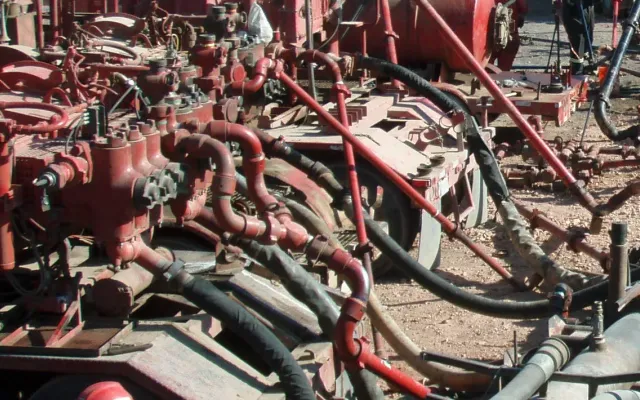
Chiksan Swivel Joints: Styles 10 to 80, How They Fail and How to Restrain Them
A chiksan is a high-pressure swivel joint that lets iron flex under pressure. Here are the style numbers, what wears inside a swivel, the wall-loss failure IADC documented, and how to inspect and restrain swivel loops.
-
 Restraint 7 min read
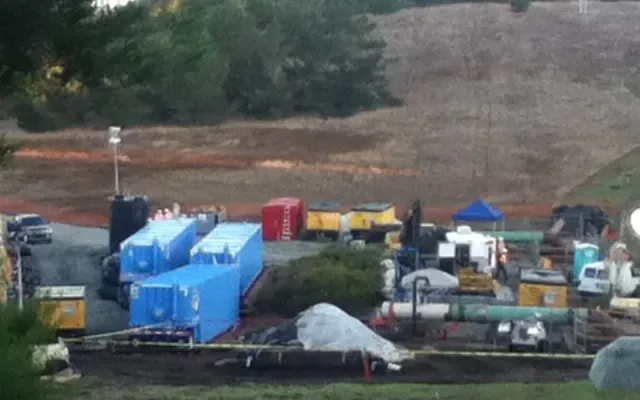
Hydrostatic Pressure Testing on Oilfield Lines: How It Works and How to Run It Safely
A hydrostatic test proves a line or vessel by holding it full of water above its operating pressure. Here are the test pressures and hold times, where tests actually fail, a safe setup checklist, and what Texas expects you to do with the water afterward.
-
 Restraint 7 min read
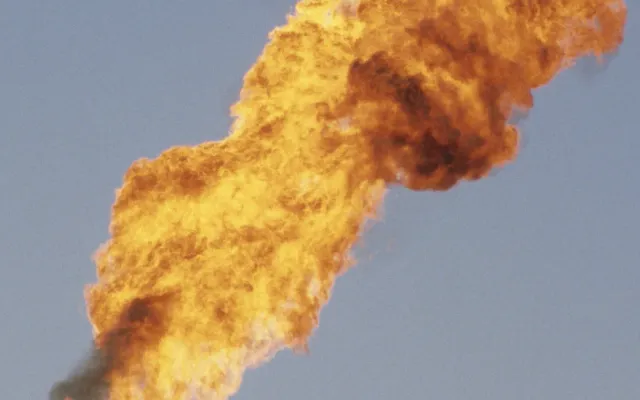
Flowback in Oil and Gas: What Happens on Location and Where It Goes Wrong
Flowback is when a fractured well is opened and the frac fluid, sand and first formation fluids come back to surface. It's also where most completion spills start. Here's what the spread does, what EPA's spill data shows, and what to set up before the well is opened.
-
 Restraint 6 min read
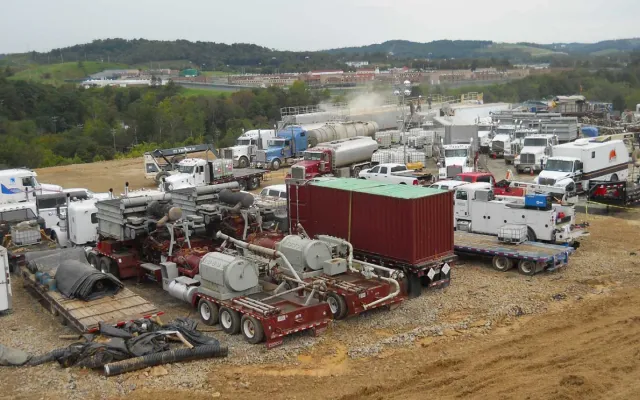
Line of Fire Hazards Around Pressurized Lines and Iron: Red Zones, Stored Energy and Restraint
Most line-of-fire training talks about swinging loads and pinch points. On a frac or workover location, the line of fire also runs along every pressurized hose and joint of iron. Here's how to set up the red zone and control the energy.
-
 Restraint 6 min read
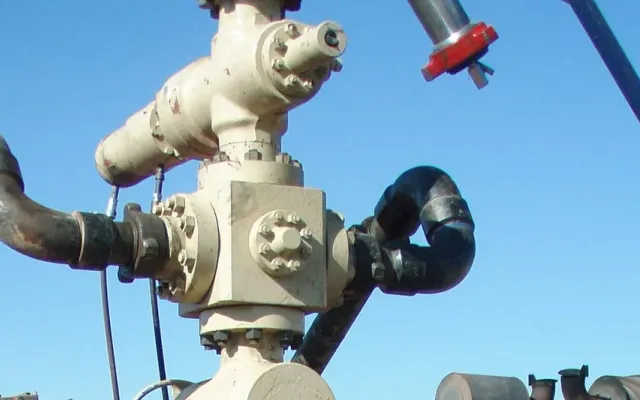
Hammer union mismatch: why a 1502 and a 602 look alike and then fail
A 2-inch Figure 1502 wing nut will thread onto a 602 or 1002 half, feel tight and hold for a while, then blow apart. Here is how to read figure numbers and stop mismatches before pressure-up.
-
 Restraint 7 min read
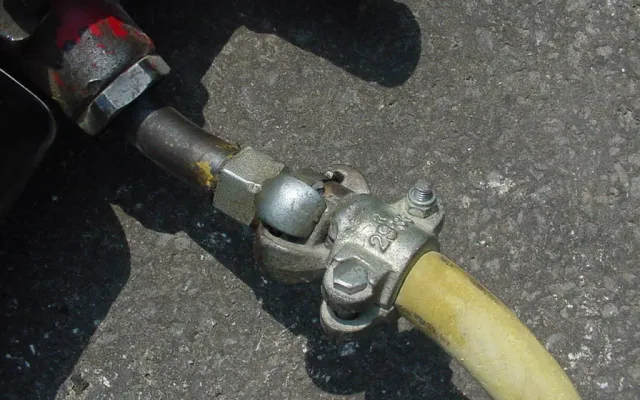
Whip checks: what they do, how to size them, and where they fall short
A whip check keeps a parted air hose from flailing. Here is what the federal rules actually say, how to size one, how to inspect it, and why it is the wrong tool for high-pressure fluid lines and frac iron.
-
 Restraint 5 min read
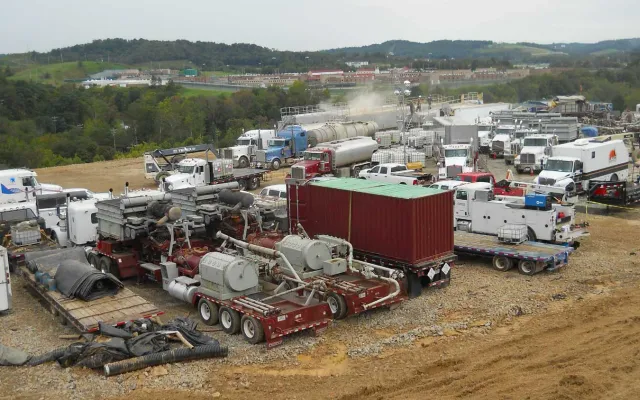
Frac Iron Safety: What API 16FI Means for Crews, Inspection and Restraint
API published its first frac iron standard in January 2026. Here's what it covers, the failures it's aimed at, how to manage iron from receiving to retirement, and where restraint fits when a connection still lets go.
Need this on your location?
Tell us what the job is and where, and we will tell you what we can supply or inspect.
- Phone
- (940) 612-2286