
Compliance articles
Longer reads for operators, company men and HSE managers: the rules, the numbers and what a crew actually does on location.
Compliance articles
-
 Compliance 6 min read
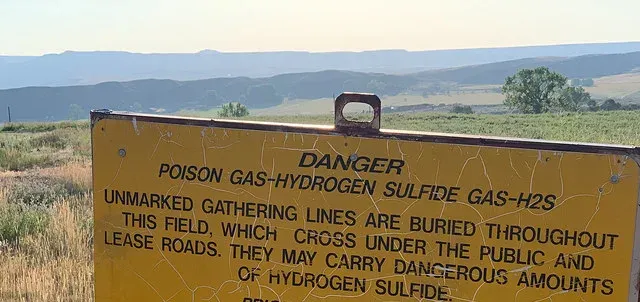
NACE MR0175 in Plain English: Sour Service, the 0.05 psia Trigger and the 22 HRC Limit
NACE MR0175 (ISO 15156) decides which steels can go into H2S service without cracking. Here's the 0.05 psia trigger worked out in ppm, the 22 HRC hardness limit, what Texas Statewide Rule 36 adds, and what to check on tubing and iron.
-
 Compliance 6 min read
Roustabout Services: What an Oilfield Roustabout Crew Does on a Lease
A roustabout crew is the general labor and light-mechanical crew of the oilfield: pipe handling, flowline repair, spill cleanup, pad work. Here's what roustabout services cover, how Texas Rule 14 sets the clock on post-plugging cleanup, and what to tell a crew before it rolls.
-
 Compliance 6 min read
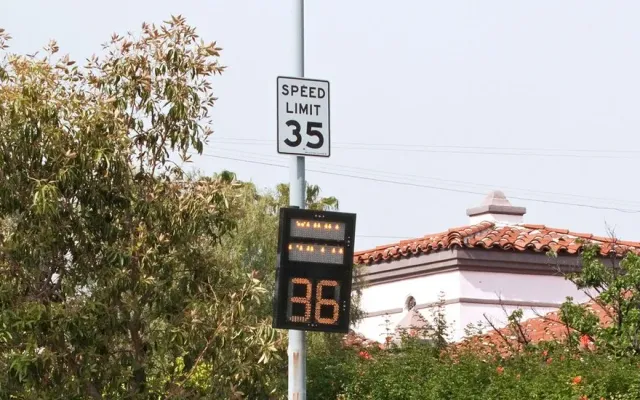
Radar Speed Trailers on Lease Roads: What the Studies Say and Where to Park One
Vehicle crashes are the leading cause of death for oil and gas workers, and speed is a top factor in Permian crashes. Here's what traffic studies say a radar speed trailer actually does to speeds, where it works best on a lease road, and what to look for before renting one.
-
 Compliance 7 min read
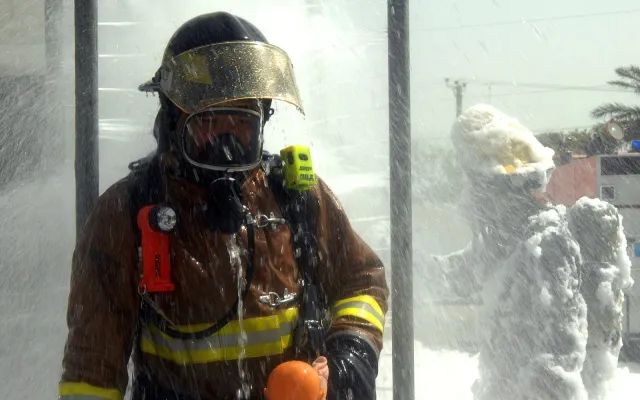
Decontamination Showers on Oilfield Locations: How They Differ from Emergency Showers and When You Need One
A decontamination shower and an emergency shower do different jobs under different standards. Here is which one an oilfield location needs, what OSHA and HAZWOPER say about decon, and what to check on a portable unit before it goes on the lease.
-
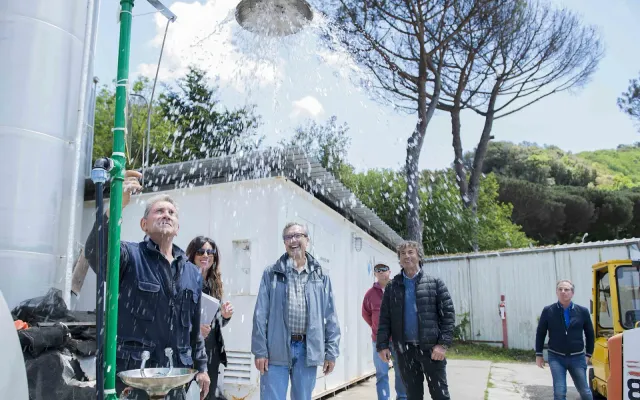 Compliance 7 min read
Eyewash Station Requirements: OSHA, ANSI Z358.1 and What Works on a Well Site
OSHA's eyewash rule is one sentence long. The flow rates, the 10-second walk and the tepid range come from ANSI Z358.1. Here's how they apply on a location with no water line, a hot sun and acid on the trailer.
-
 Compliance 8 min read
ANSI Z358.1 on Oilfield Locations: Emergency Shower Rules in Plain English
OSHA's rule on emergency showers is one sentence long, and ANSI Z358.1 fills in the numbers. Here's what both say, and what changes on a well site with no water line, a hot sun and work that moves.
-
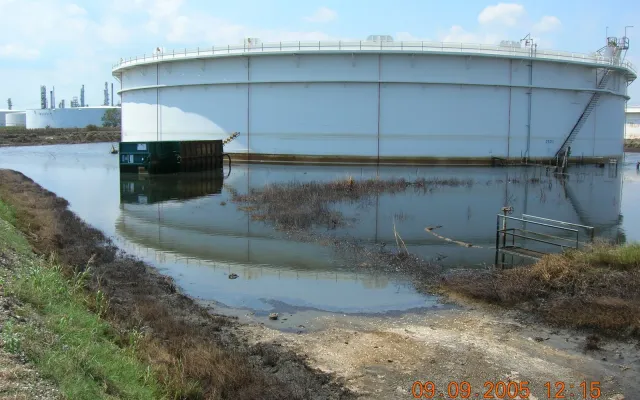 Compliance 5 min read
When to Call the National Response Center After an Oil Spill
The federal trigger for reporting an oil spill isn't a volume. It's a sheen on water. Here's how the National Response Center fits with the separate SPCC report to EPA and the Texas Railroad Commission notice.
-
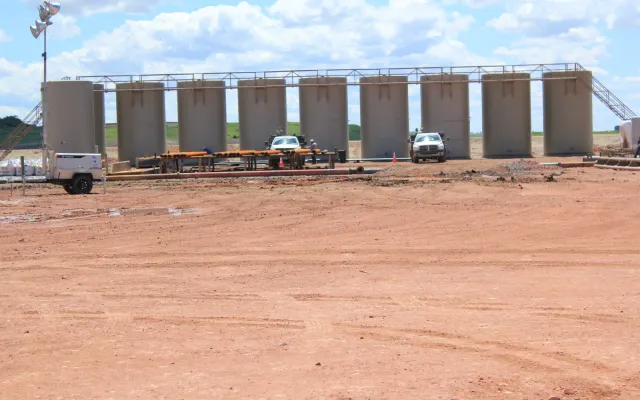 Compliance 8 min read
SPCC Plan Requirements for Oil Production Sites: 40 CFR 112.9 in Plain Language
What 40 CFR 112.9 actually asks of an onshore production site, component by component: tank batteries, flow-through vessels, produced water tanks and flowlines, plus a plan-readiness checklist.
-
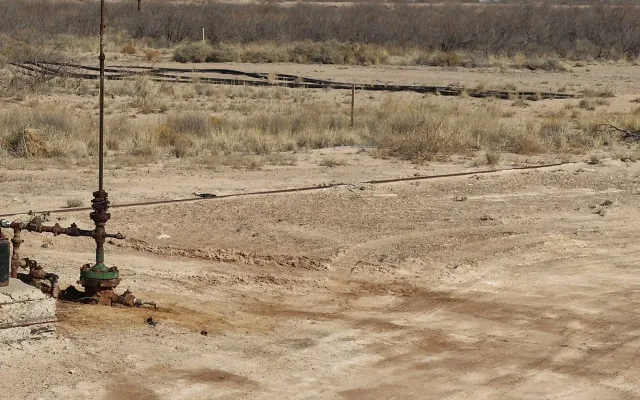 Compliance 6 min read
Oil-Contaminated Soil on a Texas Lease: What Statewide Rule 91 Requires
What Texas Statewide Rule 91 asks of an operator after a crude oil spill on a lease: free oil off, delineate and dig to 1.0% TPH, deal with soil over 5.0%, finish within a year, and report spills over five barrels.
-
 Compliance 7 min read
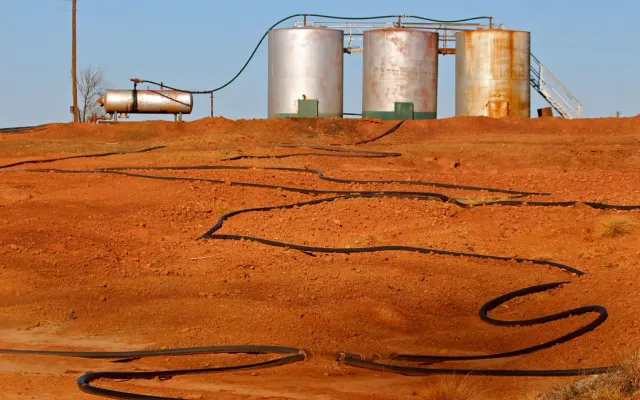
Secondary Containment Requirements: Which Rule Covers Which Oilfield Equipment
Tank batteries, produced water tanks, rig fuel, frac tanks and waste facilities each answer to a different rule. Here is which one, and what it actually asks for.
Need this on your location?
Tell us what the job is and where, and we will tell you what we can supply or inspect.
- Phone
- (940) 612-2286