
Inspection articles
Longer reads for operators, company men and HSE managers: the rules, the numbers and what a crew actually does on location.
Inspection articles
-
 Inspection 6 min read
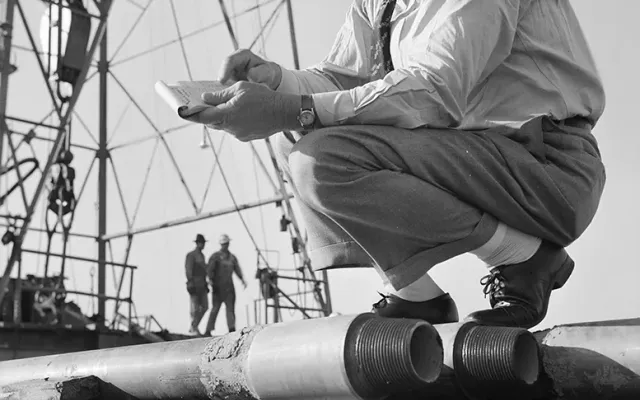
Pup Joints in Oil and Gas: Tubing Pups, Frac Iron Pups and Why They Get Inspected
A pup joint is a short length of tubing or casing used to space out a string, and the same name covers short 1502 frac iron sections. Here's how each kind is sized and matched, and why pups deserve the same inspection as full joints.
-
 Inspection 7 min read
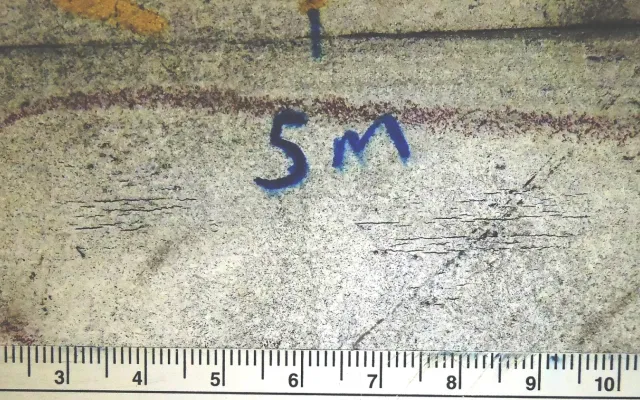
Stress Corrosion Cracking in the Oilfield: Chlorides, Sour Gas, Bolts and Pipelines
Stress corrosion cracking needs a susceptible metal, tensile stress and a specific environment at once, and it removes so little metal that cracked parts can look sound. Here's how it shows up in produced water, sour wells, bolting and buried pipe, and which inspections actually find it.
-
 Inspection 8 min read
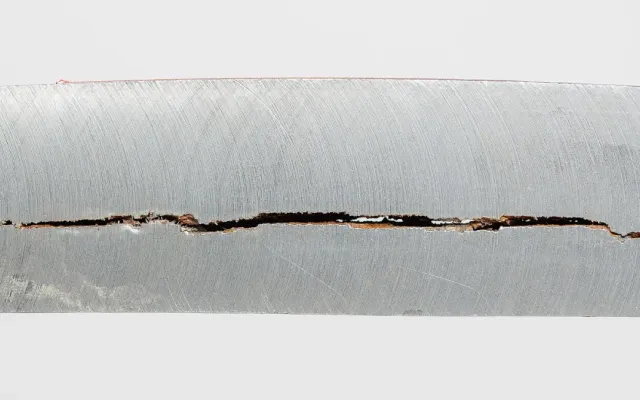
Hydrogen Embrittlement in Oilfield Steel: Where the Hydrogen Comes From and What Cracks
Hydrogen embrittlement lets hard steel crack at loads it should carry. Here's where the hydrogen comes from on a lease, which hardness puts parts at risk, what BSEE learned from two rounds of failed offshore bolts, and what to check on iron, bolting and tubing.
-
 Inspection 7 min read
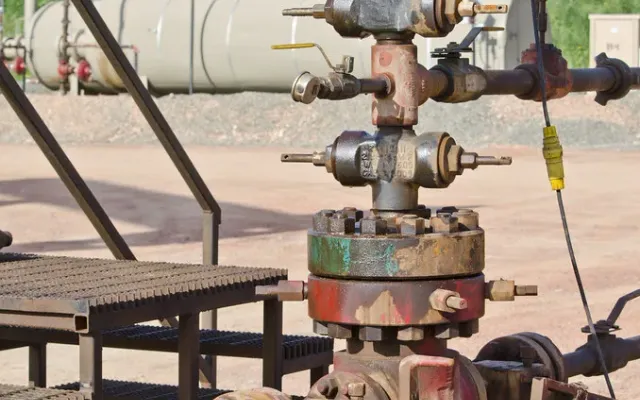
Corrosion Inhibitors in Oil Wells: How They Work, How They're Applied and How to Prove They're Working
Most downhole corrosion inhibitors are filming amines that coat the steel a few molecules thick. Here's how the main types work, how batch and continuous treatments get them to the tubing, and how coupons, iron counts and tubing scans show whether the program is paying off.
-
 Inspection 7 min read
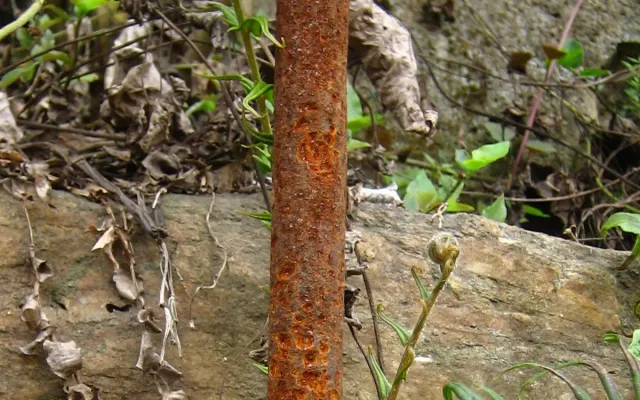
Pitting Corrosion in Oilfield Tubing and Flowlines: Causes, Measurement and Detection
A joint of tubing can lose almost no metal on average and still have a pit most of the way through the wall. Here's what starts pits in carbon steel, how the pitting factor and ASTM G46 frame the damage, and which field inspections actually find it.
-
 Inspection 7 min read
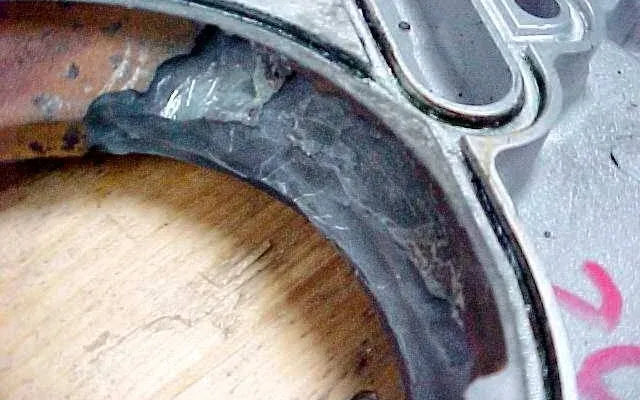
Erosion Corrosion in Oil and Gas Production: Tubing, Chokes, Elbows and the API RP 14E Limit
Moving fluid and sand can strip carbon steel faster than erosion or corrosion would alone. Here's where erosion corrosion hits a lease, what the API RP 14E erosional velocity really covers, and how to find the damage before a joint or an elbow lets go.
-
 Inspection 7 min read
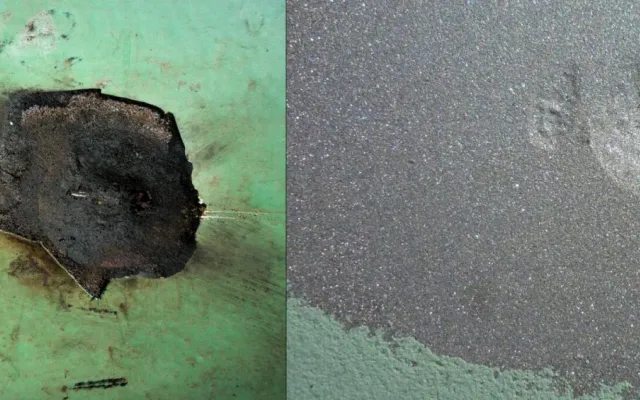
Microbiologically Influenced Corrosion (MIC) in Oilfield Tubing, Flowlines and Tanks
Bacteria in still produced water can pit carbon steel through in months. Here's where MIC starts on a lease, why a bug bottle alone doesn't prove it, what 40 CFR 112.9 expects, and how joint-by-joint inspection finds the damage.
-
 Inspection 7 min read
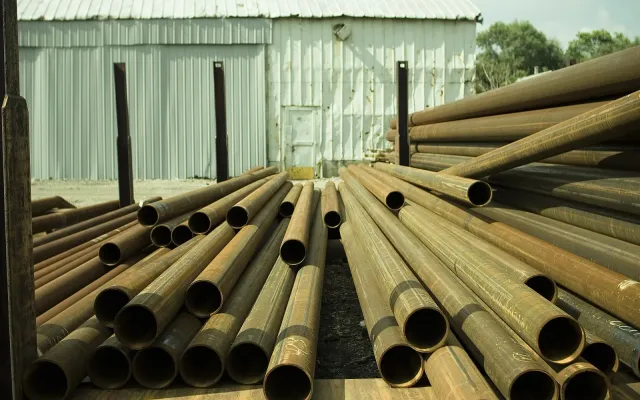
Tubing Data Sheet Explained: 2-3/8, 2-7/8 and 3-1/2 Tubing Specs and What Wall Loss Does to Them
A tubing data sheet lists OD, wall, drift and burst and collapse ratings, but the ratings assume a stated remaining wall. Here's how to read one for 2-3/8, 2-7/8 and 3-1/2 tubing, and what wall loss on pulled tubing does to the numbers.
-
 Inspection 7 min read
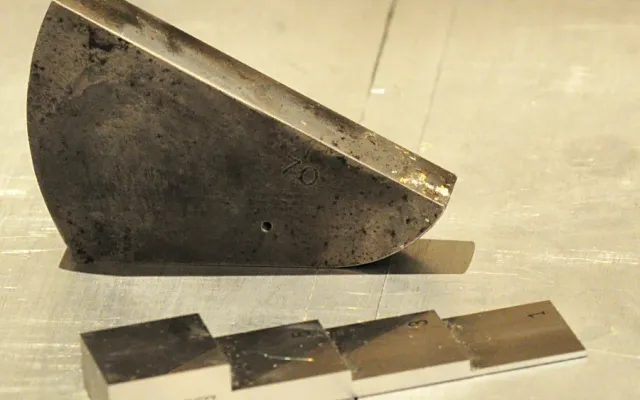
Ultrasonic Thickness Testing on Oilfield Tubing: What a Spot Reading Tells You
A UT gauge gives an exact wall thickness under the probe and nothing about the rest of the joint. Here's how the readings work, what throws them off in Permian heat, what the 12.5% mill tolerance means, and where a full-length EMI scan fits.
-
 Inspection 6 min read
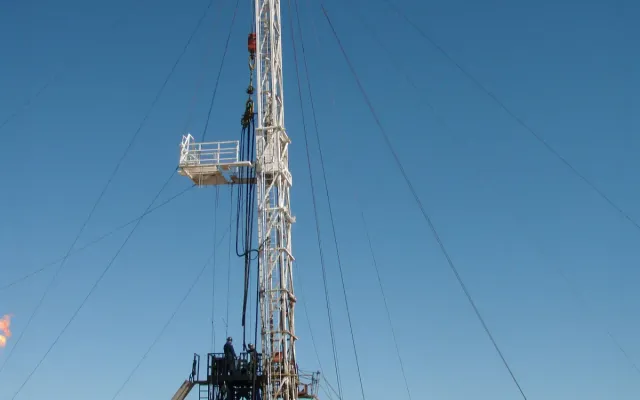
What a Workover Rig Does, and How to Run a Clean, Safe Workover
A workover rig comes in when a producing well needs its tubing, rods or pump pulled, or a zone repaired. Here's what the rig does, what the SPCC rule asks of the location, and how to get more out of the pull than a new pump.
-
 Inspection 5 min read
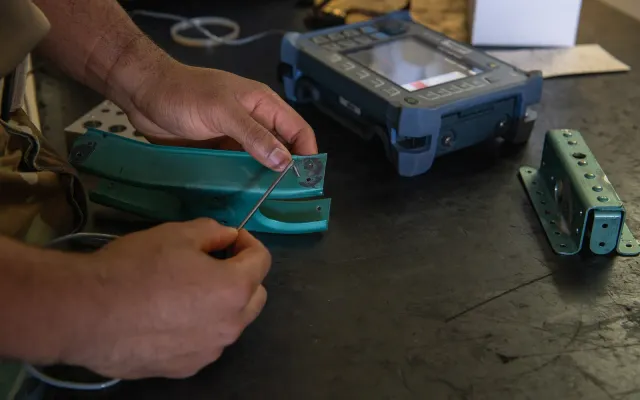
Eddy Current Testing and Oilfield Tubing: Why Carbon Steel Changes the Method
Eddy current testing is a proven electromagnetic inspection method, but most of its tube work is on non-magnetic metal. Here is what changes when the tube is carbon steel oilfield tubing, and what to ask a provider.
-
 Inspection 5 min read
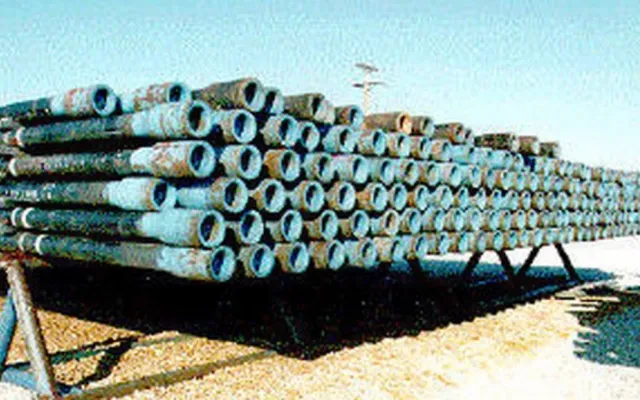
Magnetic Flux Leakage Inspection of Production Tubing, Explained
Magnetic flux leakage pushes a strong magnetic field through the tubing wall and listens for where it leaks out. Here's how that works on a string coming out of a well, what a trace can and can't tell you, and how it stacks up against other checks.
Need this on your location?
Tell us what the job is and where, and we will tell you what we can supply or inspect.
- Phone
- (940) 612-2286