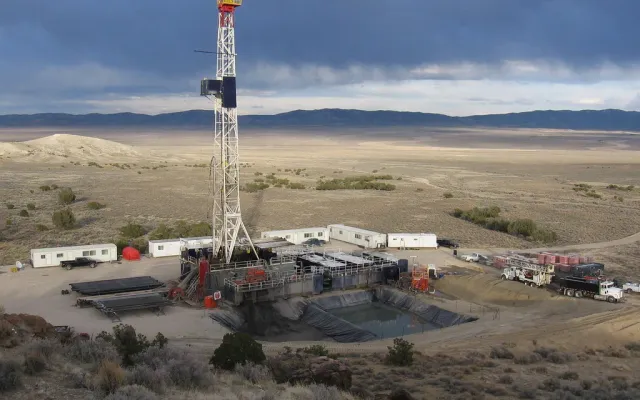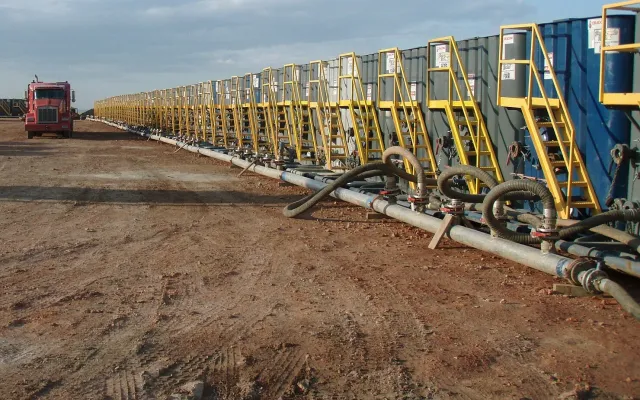
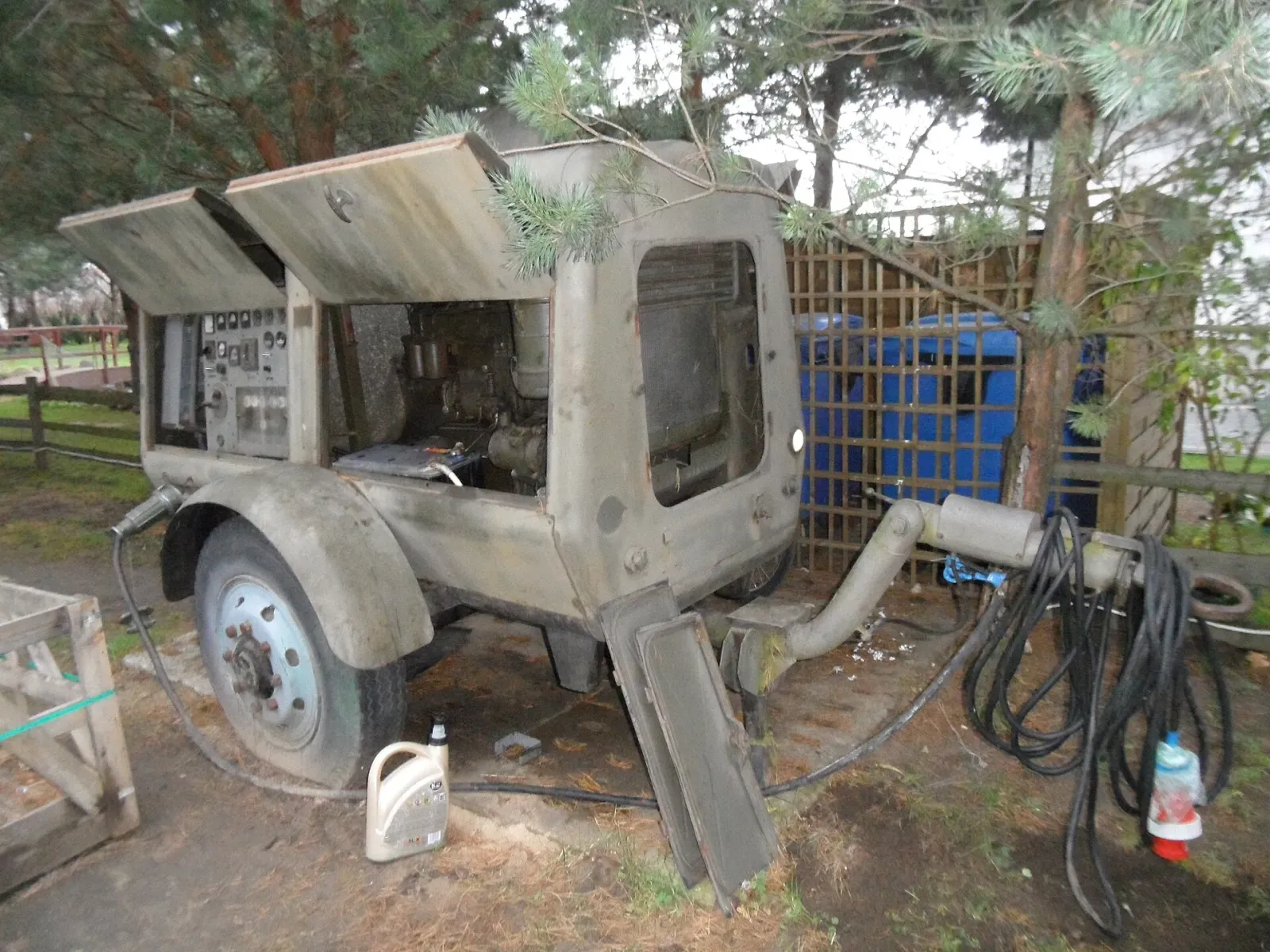
Generator spill containment on an oilfield location means putting an impervious berm, tray or liner system under every diesel gen set, sized for the fuel tank it carries, plus a plan for catching drips when it gets refueled. Under the federal SPCC rule a gen set isn’t one thing. EPA’s own inspector guidance says it’s a combination of a bulk storage container (the fuel tank) and oil-filled operational equipment (the lube system). The fuel tank is what drives the containment size. On a drilling or workover location there’s a second rule on top: catchment for fuel spills around the rig’s equipment.
Is a generator a bulk storage container under SPCC?
Partly. Some product sites say EPA doesn’t treat generators as bulk storage containers, and that’s wrong for the fuel tank. EPA’s SPCC Guidance for Regional Inspectors answers the question directly in a sidebar on gen sets. Generator sets are a combination of oil-filled operational equipment and a bulk storage container. The lubrication system may count as oil-filled operational equipment. The tank that feeds fuel to the engine typically doesn’t.
The definitions in 40 CFR 112.2 explain why. A bulk storage container is any container used to store oil, including oil stored “while being used.” Oil-filled operational equipment is equipment where the oil is present “solely to support the function of the apparatus,” such as hydraulic systems, gear boxes and lubricating systems. Diesel in a base tank is fuel waiting to be burned, so it’s stored oil.
So the fuel tank counts toward the SPCC threshold. The rule applies when aggregate aboveground oil storage is over 1,320 gallons, counting only containers of 55 gallons or more (40 CFR 112.1). A couple of large gen sets, a light plant and a fuel tank can push a location over that line by themselves. The tank also needs sized secondary containment. Oil-filled operational equipment can sometimes use the alternative measures in 112.7(k), but a bulk storage container can’t.
Which SPCC section applies to a generator on your location?
It depends on what the location is. EPA’s guidance lays out the sections by facility type.
| Location | Generator tank treated under | What it asks for |
|---|---|---|
| Drilling or workover location | 40 CFR 112.10 plus 112.7 | Position mobile drilling or workover equipment to prevent a discharge (112.10(b)), and provide catchment basins or diversion structures to contain discharges of fuel, crude oil or oily drilling fluids (112.10(c)) |
| Producing lease or tank battery site | 40 CFR 112.7(c), with 112.9 for the lease’s oil tanks | Containment or diversion that addresses the typical failure mode and the most likely quantity discharged. 112.9(c)(2) sizes tank battery containment to the largest container plus precipitation freeboard |
| Yard, storage or non-production site (stationary tank) | 40 CFR 112.8(c)(2) | Secondary containment for the entire capacity of the largest single container plus sufficient freeboard for precipitation, with diked areas sufficiently impervious to oil |
| Yard or storage site (mobile or portable tank, 55 gal or more) | 40 CFR 112.8(c)(11) | Position to prevent a discharge, and a dike or catchment basin sized to the largest single compartment or container plus precipitation freeboard |
Your SPCC Plan says which section your site follows. If the generator isn’t on the facility diagram, that’s the first gap to fix.
What counts as generator secondary containment?
The general rule in 40 CFR 112.7(c) lists acceptable methods for onshore sites. They include dikes, berms or retaining walls “sufficiently impervious to contain oil,” curbing or drip pans, sumps and collection systems, and sorbent materials. Containment can be active or passive. The rule’s test is practical: the whole system, walls and floor, has to hold oil until cleanup happens.
On a location that usually means one of these:
| Option | Where it fits | Watch for |
|---|---|---|
| Portable berm with a liner floor | Trailer and skid gen sets that move with the rig or frac spread | Wall height vs footprint, wheel and jack-stand wear on the floor, rain eating capacity |
| Drive-over berm or mat | Gen sets that get refueled by truck or moved often | Rated wall type, and keeping the fuel truck’s hose inside the containment |
| Generator spill tray or drip pan | Small portable units under 55 gallons, and catching drips under fill points | Capacity is small. A tray isn’t sized for a base tank failure |
| Lined containment cell | Gen sets that sit for months at a facility or long-term location | Liner seams, drainage and inspection records |
| Double-wall base tank | Units with a shop-built double-wall tank | Covers the tank, not refueling overfills. See below |
How to size a generator containment berm
The SPCC sizing language is the same across 112.8(c)(2), 112.8(c)(11) and 112.9(c)(2). Contain the entire capacity of the largest single container, with sufficient freeboard for precipitation. The rule doesn’t define “sufficient freeboard.” EPA’s guidance says it considers a 25-year, 24-hour storm the proper standard. It also notes that a 110 percent of tank capacity rule of thumb is acceptable in many situations and may fall short in others. The certifying engineer decides.
Here’s the arithmetic for one generator, using round numbers. Your own tank size and berm come from the unit and the supplier.
- Tank volume: a base tank holding 500 gallons is 500 ÷ 7.48 = 66.8 cubic feet of fuel.
- Berm floor area: a 12 ft × 20 ft berm has 240 square feet of floor.
- Subtract the footprint. Anything sitting in the berm below the wall height takes up volume. If the trailer tires, jack stands and skid displace about 10 square feet of floor, the usable area is about 230 square feet.
- Height for the fuel alone: 66.8 ÷ 230 = 0.29 feet, or about 3.5 inches of liquid.
- Add freeboard. Whatever rain allowance the plan uses goes on top. A 12-inch wall leaves plenty of room in this example. A 6-inch wall in a smaller berm may not.
For multi-unit berms, size for the largest single container, not the total of every tank inside. Then check that rainwater left standing in the berm hasn’t taken the capacity back. For more on the math, see the secondary containment calculator walkthrough.
Does a double-wall base tank count as containment?
Often it can, with conditions. EPA’s guidance summarizes two policy memos from 1992 and 2002. A shop-built double-walled tank can serve as an equivalent to secondary containment for the tank when:
- the tank is shop fabricated
- the inner tank is a UL-listed steel tank
- the outer tank is built to a nationally accepted industry standard
- it has an overfill alarm plus an automatic flow restrictor or shut-off
- all product transfers are constantly monitored
Instead of the overfill devices, the tank can have active or passive containment for overfills from its vents during transfers. EPA notes that double-walled tanks typically don’t need extra rain freeboard when the interstice isn’t exposed to precipitation.
The catch on a location is refueling. EPA’s guidance puts it plainly. A double-walled tank may have adequate containment for the bulk storage container, but it doesn’t contain transfer-related overfills from the tank vent. A fuel hauler topping off a gen set at 2 a.m. is exactly that transfer. You still need something under the fill point and the hose. That’s usually a drive-over mat, a tray or a berm the truck can pull up to. Check which elements your specific base tank actually meets with whoever certifies your SPCC Plan.
Where generator spills happen on location
The typical failure mode is what 112.7(c) asks you to plan for. On a rig or frac location the usual ones are:
- Refueling: overfills out of the vent, drips when the nozzle comes out, and hoses dragged across bare ground.
- Fuel line and filter leaks: weeping fittings at the engine that run down the skid for days before anyone looks.
- Lube oil changes: drained oil and filters handled on the ground next to the unit.
- Moves: gen sets get unhooked, moved and reset during rig-up and rig-down. The berm often gets left behind or set up crooked.
- Rain: a berm full of water has no room left for fuel. 40 CFR 112.8(c)(3) sets conditions before rainwater can be drained from a diked area, including inspecting it for oil and keeping records.
Generator containment checklist for a location
- Every gen set with a fuel tank of 55 gallons or more is on the SPCC facility diagram
- Containment sized for the largest single fuel tank plus the plan’s rain freeboard
- Footprint of trailer, skid and jack stands subtracted from berm volume
- Fill point and refueling hose inside containment or over a mat
- Double-wall base tanks checked against the EPA memo conditions, with refueling still covered
- Berm floor checked for wear under tires and stands after every move
- Rainwater inspected for sheen before draining, and the drainage recorded
- Inspection records kept. EPA’s guidance notes the rule requires signed inspection records kept for three years under 112.7(e)
Containment for generators and fuel on Permian locations
Site Safe Solutions designs and installs containment systems for oilfield locations in the Permian Basin, from drive-over containment to primary pads and high-wall systems with liners. Our Fast Mats give drive-over spill protection where fuel trucks pull up to refuel. If you’re setting generators on a new location or tightening up an SPCC finding, tell us what’s on the pad and we’ll lay out containment that fits it. For the tanks that feed those gen sets, see fuel tank spill containment.