Heavy equipment cleaning in the oilfield is a different job from washing a dusty excavator. What comes off a rig mat, a tank or a trailer after a Permian job is drilling mud, paraffin, crude and produced-water scale, bound together with caliche. The right method depends on what’s stuck to the steel. Whatever comes off has to go somewhere other than the ground, because EPA treats untreated wash water as a pollutant, not as runoff.
This guide covers what you’re actually cleaning off, how cold water, hot water and steam compare, how to choose a detergent, and what EPA’s stormwater fact sheets say about handling the water.
What you’re cleaning off oilfield equipment
Generic pressure-washing advice assumes mud and grass. Oilfield equipment carries tougher residue:
- Drilling mud. Water-based mud dries hard. Oil-based mud leaves a greasy film that cold water just smears.
- Paraffin and heavy crude. Waxy hydrocarbons that stay solid at air temperature and need heat to soften.
- Produced-water residue. Salt crust and scale on tanks, hoses and mats.
- Caliche and road dust. Fine, abrasive and packed into every gap, including radiator cores.
- Hydraulic fluid and lube oil. Usually from leaks you’ll want to find once the equipment is clean.
The common jobs are rig and containment mats between locations, trailers and tank exteriors before they move or go in for repair, and rigs and support equipment before maintenance or demobilization. Each one has a different mix of these contaminants.
Cold water, hot water or steam: matching the method to the residue
| Method | Works well on | Struggles with | Risk to the equipment |
|---|---|---|---|
| Cold-water pressure wash | Loose dirt, dried water-based mud, caliche | Paraffin, crude, oil-based mud (smears instead of lifting) | Can drive water into bearings, seals and electrical enclosures; flattens radiator fins |
| Hot-water pressure wash | Oily film, light crude, grease, most mixed residue | Very heavy paraffin buildup | Same as cold water, plus heat on rubber and decals |
| Steam (high temperature, low volume) | Grease, oil-bound dust, paraffin; delicate parts such as radiator cores | Thick packed mud (slow) | Low impact pressure; still keep it off electrical connectors |
| Dry methods (air, vacuum, scraping) | Loose dust and debris before any water goes on | Anything oily | Compressed air at high pressure can damage fins and injure the operator |
Two practical rules follow from that table. Take the dry material off first. EPA’s construction-site fact sheet recommends blowers or vacuums instead of water for dry material where possible, which also means less wash water to handle. And save high-pressure water for structural steel, skids, mats and tank shells, which can take it.
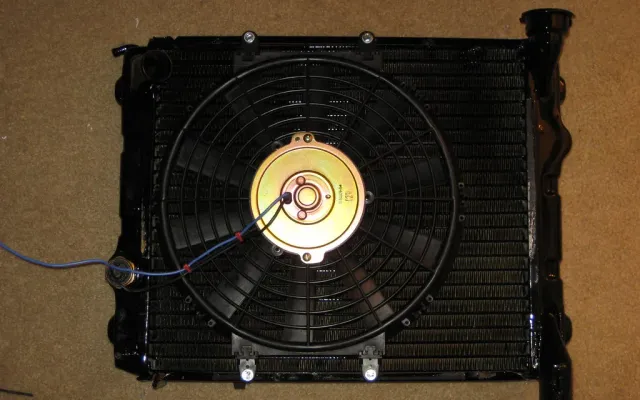
Radiators and coolers are the exception that trips crews up. Caterpillar’s maintenance manual for its compact track loaders caps water pressure for core cleaning at 275 kPa (40 psi) and air at 205 kPa (30 psi). It says to direct both parallel to the fins and to “use a degreaser and steam for removal of oil and grease.” The existing guide on steam versus pressure washing covers why a pressure washer can leave a radiator looking clean and cooling worse.
Choosing a detergent
Detergent choice matters for two reasons: what it does to the residue and what it does to the wash water.
EPA’s fact sheet on vehicle washing at construction sites makes three points that apply directly on location:
- Water alone removes most dirt, so try plain high-pressure water first.
- If you need detergent, avoid phosphate-based or organic-based cleaners, which feed nutrient loading and raise biological oxygen demand in the water.
- Use only biodegradable products that are free of halogenated solvents.
EPA’s 2023 fact sheet adds that wash water can carry hydrocarbons and heavy metals washed off the vehicle as well as whatever is in the detergent itself. On an oilfield job that’s the bigger concern. The detergent is often the cleanest thing in the sump.
For oily residue, a degreaser applied and given time to work before rinsing will do more than higher pressure. Hot water or steam helps the degreaser cut paraffin and crude. Check that whatever you use is compatible with the seals, hoses and coatings on the equipment, and get the safety data sheet to whoever handles the wash water.
Where the wash water goes
This is the part generic cleaning guides skip, and the part that gets a site in trouble. EPA’s construction-site fact sheet is direct about it:
- Fuels, oils, soaps, solvents and detergents from vehicle and equipment washing are prohibited discharges from construction sites under the federal construction effluent guidelines (40 CFR Part 450).
- Municipal storm sewer permittees treat untreated wash water as an illicit discharge.
- Wash in designated areas with overhead cover and containment, clearly marked, and keep other work such as repairs out of the wash area.
- Send wash water to a treatment facility, haul it off-site for proper disposal, or discharge it to a sanitary sewer where that’s permitted.
- Depending on the volume and the detergents used, wash areas may need permits.
On a lease there’s rarely a sanitary sewer, so in practice that means capturing the water and hauling it. A cleaning setup that works in the field has four parts:
- An impermeable wash area. A lined containment pad or portable wash bay with walls or curbs, sized so overspray lands inside it.
- A low point or sump where water collects and can be pumped.
- Storage for the collected water until it’s hauled.
- A record of where it went.
If the equipment being washed is oily, the federal SPCC rule’s general containment requirement in 40 CFR 112.7(c) is also worth keeping in mind. It covers any area where oil could reach navigable waters, and a wash area full of oily water is one of them.
Cleaning before inspection
One more reason to clean: inspectors can’t see through grime. Mud and oil hide cracks in welds, weeping seals, corroded fittings and loose bolts. If a trailer, tank or skid is going in for inspection or repair, cleaning it first often decides what the inspection can find.
Wash-day checklist
- Identify the residue (mud, oil, paraffin, salt) and pick the method before setting up.
- Knock off dry material with air, scraping or vacuum first.
- Protect electrical boxes, bearings and breathers from direct spray.
- Use low-pressure water or steam on radiator and cooler cores, parallel to the fins.
- Use biodegradable, phosphate-free detergent without halogenated solvents, and keep the SDS on hand.
- Wash inside containment, and pump the sump before it overtops.
- Check the liner of the wash area for cuts after moving heavy equipment on and off it.
- Log the volume of wash water and its destination.
Talk to a crew that cleans oilfield equipment
Site Safe Solutions provides equipment cleaning in the Permian Basin. That covers pressure washing with environmentally friendly detergents to remove oil residue, drilling sludge and contaminants from mats, trailers, tanks and rigs, and high-temperature, low-volume steam for radiator systems through the steam radiator rinse service. For wash areas on location, containment systems keep the water where it can be collected. Tell the crew what needs cleaning, roughly how many pieces, and what’s stuck to them.