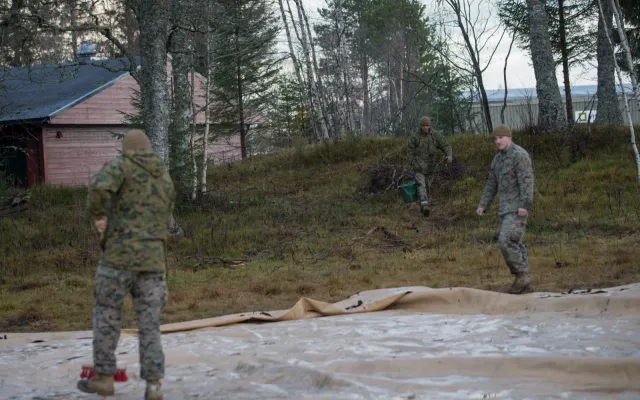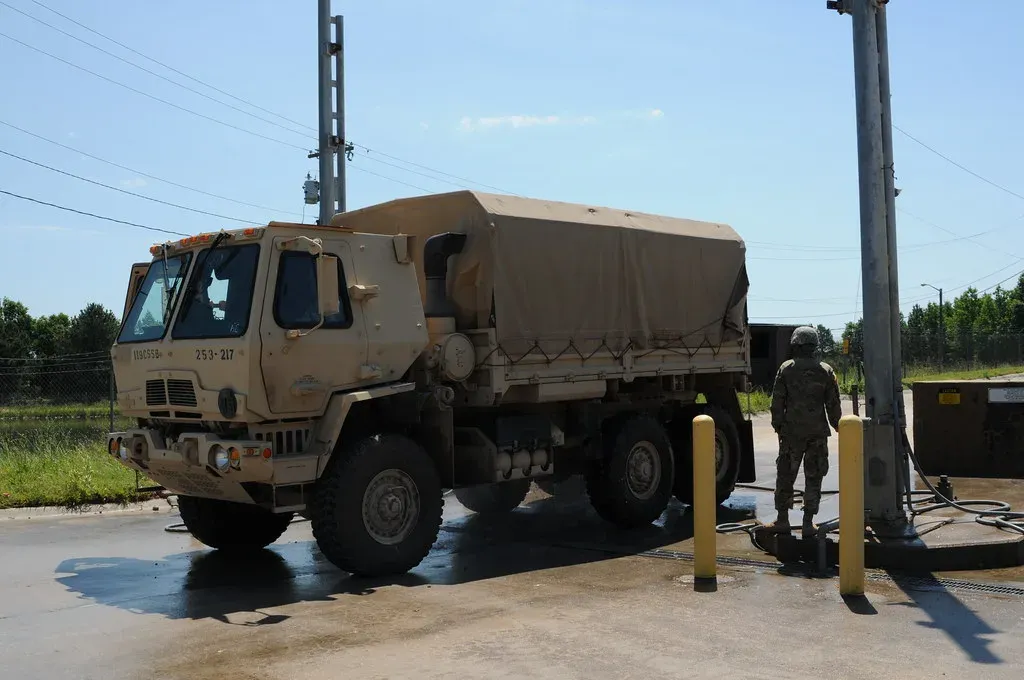
A portable wash bay is a containment mat or modular pad with raised edges and a sump. Trucks, trailers, mats and equipment get washed on it, and all the wash water is collected for disposal instead of running onto the pad and into the nearest ditch. On an oilfield location you need one, or something that does the same job, whenever you wash equipment that has touched crude, drilling mud, produced water or chemicals. Once runoff carries those, it’s no longer the “uncontaminated” stormwater that oil and gas sites are exempt for.
Why oilfield wash water is a containment problem
Oil and gas field operations have an unusual stormwater exemption under the Clean Water Act. EPA’s oil and gas stormwater page explains that under section 402(l)(2), EPA can’t require a permit for stormwater runoff from “oil and gas exploration, production, processing or treatment operations, or transmissions facilities.” That holds only while the runoff stays clean. The exemption is lost when stormwater “comes into contact with any overburden, raw material, intermediate products, finished product, byproduct or waste products located on the site.”
Wash water off a rig mat or a vac truck is exactly that contact. It carries whatever you washed off: crude, paraffin, drilling mud, produced-water salt, detergent. If it runs off the pad, you’ve made contaminated runoff on purpose.
EPA’s general stormwater guidance says the same thing in plainer terms. Its 2023 fact sheet calls vehicle maintenance facilities “stormwater hot spots” and notes that wash water “may contain high amounts of nutrients, metals and hydrocarbons.” Its construction-site fact sheet goes further. It says wash water containing “soaps, solvents, detergents, nutrients, sediment, grease or hazardous wastes” shouldn’t reach storm drains, surface water or groundwater, and it calls soaps, solvents and detergents from equipment washing “prohibited discharges” from construction sites under 40 CFR 450.
What EPA expects from a wash area
EPA’s fact sheet on washing areas at construction sites is written for contractors, and it maps well onto a well pad or a yard. The practices it lists:
- A designated area. Washing “should occur in designated areas with overhead coverage and containment.” Mark the area clearly and tell workers that all washing happens there. Don’t do repairs in the wash area.
- Water first, detergent second. “Because water alone can adequately remove most dirt, use high-pressure water spray without detergents.” If you need detergent, use biodegradable products “free of halogenated solvents” and avoid phosphate- or organic-based cleaners.
- Capture and send it somewhere. “Direct wash water from washing activities to treatment facilities, haul the wash water off-site for proper disposal or direct the water to the sanitary sewer (if applicable).”
- Dry cleaning where you can. “Use blowers or vacuums instead of water to remove dry materials.”
- Maintenance. EPA notes that upkeep “is minimal and may involve repairing berms and disposing of collected vehicle wash water.” It also says that, depending on volume and detergent, wash areas “may also require permits.”
Overhead cover is rarely practical on a lease. The rest is a straightforward checklist, and a portable wash bay is the simplest way to meet it in the field.
Portable wash bay vs lined pad vs fixed rack
There are three ways to give wash water somewhere to go. Which one fits depends on how often you wash, where, and whether the location will still be there next year.
| Portable wash bay | Lined containment pad | Fixed wash rack (concrete) | |
|---|---|---|---|
| What it is | Containment mat or modular panels with drive-over or raised walls and a sump | HDPE-lined, bermed area built on the location | Sloped concrete slab with trench drain, often with an oil-water separator |
| Setup | Hours; moves with the job | Days; stays for the life of the location | Weeks; permanent |
| Best for | Washing on a well pad, frac site or remote location; contractors who move | Long-running sites that wash regularly | Yards and shops with steady volume |
| Wash-water handling | Pumped from the sump to a tank, then hauled | Pumped from a low point, then hauled | Separator, then to sewer or hauled, depending on permits |
| Weak spots | Floor punctures from tracks and jacks; overspray past the walls | Liner wear in the traffic lane; rain filling it | Cost; it’s only where it’s built |
Two details decide whether any of these works. Overspray is the first. A pressure washer throws water well past a 6-inch wall, so the containment has to be bigger than the equipment, or have splash curtains. Rain is the second. A bay left out between jobs fills with rainwater and has no room for wash water. Pump it out before you start, and handle rainwater with a sheen as wash water.
Where the wash water goes
Collected wash water is a waste stream, and it needs a destination before you start washing, not after the tank is full. EPA’s guidance lists three outlets: a treatment facility, hauling off-site for proper disposal, or the sanitary sewer where that’s allowed. On a remote Permian location the realistic answer is almost always a vacuum truck to a permitted disposal facility.
Before the first wash, settle these questions with whoever will take the water:
- What’s in it? Crude and paraffin, drilling mud, produced water, detergent, coolant? Tell the hauler and the receiving facility.
- Which agency’s rules cover it? Oilfield wash water may be handled as oil and gas waste or as industrial waste depending on its source. Ask the disposal facility, and check with the Railroad Commission of Texas or TCEQ if you’re not sure.
- What paperwork travels with the load? Get the manifest or ticket requirements up front.
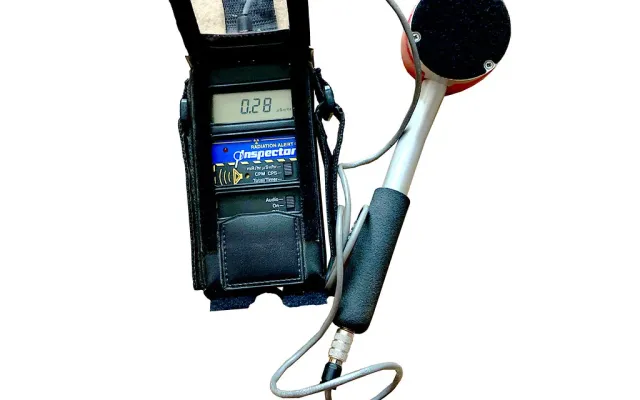
- Does anything need to be kept separate? Water from equipment that might carry NORM scale, or from a chemical spill cleanup, shouldn’t be mixed into a general wash-water tank.
Keep the tickets. If anyone asks later where the water went, the tickets are the answer.
Running a wash bay without making a mess
- Put the bay on the flattest spot you have, with the sump at the low corner.
- Lay a wear sheet or mat where tracks, outriggers and jack stands sit.
- Knock off caked mud with a blower, scraper or broom before you wet anything.
- Start with water only. Add biodegradable detergent only where the water alone won’t cut it.
- Keep the pressure-washer wand pointed in, toward the center of the bay.
- Pump the sump to a closed tank as you go so the bay never overflows.
- When you finish, pump the bay dry, squeegee the residue, and inspect the floor before you pack it up.
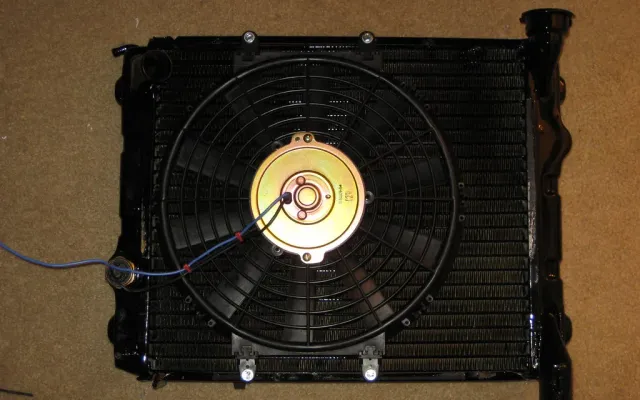
Pressure washing isn’t right for every part of a machine either. Radiators and anything with fins or seals can be damaged by high-pressure water; see when pressure washing damages what it’s cleaning.
Cleaning and containment from one crew
Site Safe Solutions provides equipment cleaning in the Permian Basin. That covers pressure washing mats, trailers, tanks and rigs with environmentally friendly detergents to remove oil residue and drilling sludge, plus steam cleaning for radiator systems. It also designs and installs containment systems. If you need equipment cleaned on location and the wash water kept off the pad, tell us what needs cleaning, where, and how much of it and we’ll plan the job with you.